
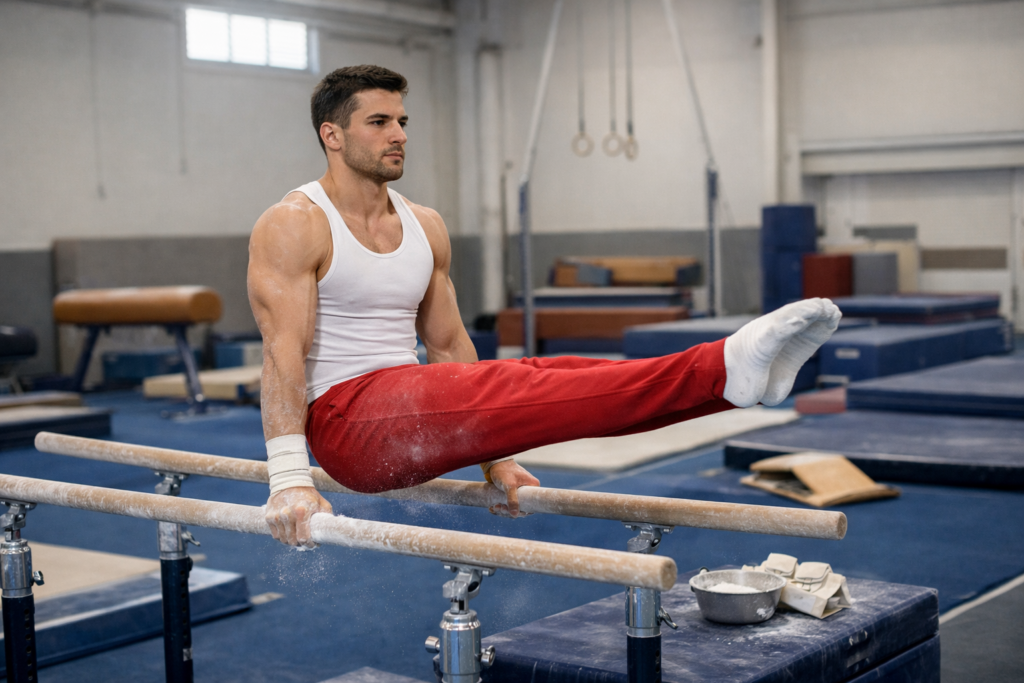
A Comprehensive Guide to Parallel Bar Gymnastics: Techniques, Safety, and Equipment
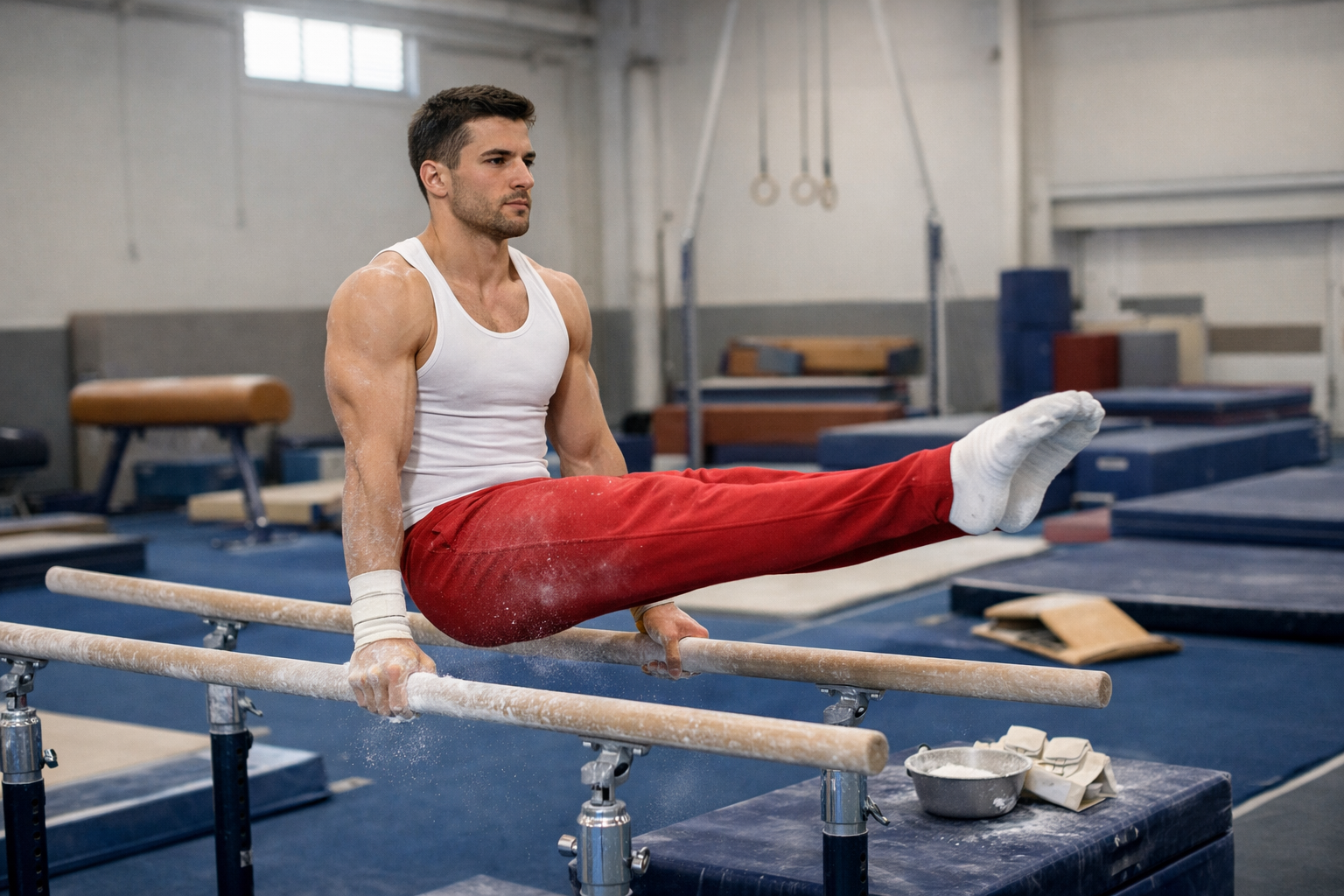
Parallel bar gymnastics offers a unique blend of strength, balance, and artistry, making it a captivating discipline for both athletes and spectators. Whether you are a beginner exploring the fundamentals or an experienced gymnast looking to refine your techniques, understanding the essential components of this sport is crucial. This guide covers everything from the history and specifications of parallel bars to effective training methods, safety guidelines, and equipment recommendations.
As you delve into the world of parallel bar gymnastics, you will discover how to select the right equipment tailored to your needs and skill level. Learning the fundamental techniques can significantly enhance your performance and reduce the risk of injury. Additionally, this guide addresses common mistakes that practitioners make and highlights the importance of safety measures, ensuring you can train confidently and effectively.
Equipped with expert insights and practical advice, this comprehensive resource will empower you to navigate the journey of parallel bar gymnastics, whether for competition or personal development. Join us as we explore the intricate details that define this dynamic sport and help you achieve your goals.
The History and Evolution of Parallel Bars
The parallel bars, a staple in gymnastics, have a rich history that dates back to ancient Greece. Originally used for training by military recruits, they have evolved significantly over the centuries to become a key apparatus in modern gymnastics competitions. The formal introduction of parallel bars into gymnastics can be traced to the late 19th century when they were included in the first Olympic Games for men in 1896. This marked their transition from a training tool to a competitive apparatus.
In the early days, the design of parallel bars was rudimentary. Made from wood, the bars were often unstable and lacked the safety features we associate with them today. Over time, advancements in materials and engineering have resulted in the parallel bars we see now. Modern bars are typically made from high-strength aluminum or steel, providing both durability and stability. They are often padded for safety, and their height and width are adjustable to cater to gymnasts of different skill levels and sizes.
The significance of parallel bars in modern gymnastics extends beyond mere physical performance; they serve as a demonstration of strength, precision, and artistry. Gymnasts perform a variety of complex routines that require not only physical prowess but also a high level of technical skill. These routines are judged based on difficulty, execution, and artistic presentation, which emphasizes the importance of mastering the various techniques associated with parallel bars.
One common misconception about parallel bars is that they are exclusively for advanced gymnasts. In reality, they can be beneficial for gymnasts at all levels, including children and beginners. When introducing young athletes to parallel bars, it’s crucial to start with basic movements, focusing on body control and strength development. Coaches often emphasize the need for proper technique to prevent injuries, highlighting the importance of progression in training.
As you explore the world of parallel bar gymnastics, keep in mind the historical context and the evolution of equipment design. This knowledge can enhance your appreciation of the sport and inform your training approach, whether you’re a novice or an experienced gymnast. Understanding how far parallel bars have come can also inspire you to push your limits and embrace the challenges that come with mastering this demanding
Specifications and Design of Parallel Bars
When selecting parallel bars, understanding their specifications and design features is crucial for both safety and effective training. Standard parallel bars have specific dimensions and materials that impact their stability and usability.
Standard Specifications
Dimensions: The typical width of parallel bars ranges from 1.5 to 2 meters apart, while the height is usually set between 1.1 and 1.5 meters from the ground. For competitive gymnastics, the bars must adhere to FIG (Fédération Internationale de Gymnastique) regulations.
Materials: Professional-grade parallel bars are often constructed from high-quality steel or aluminum, providing durability and stability. The surface may be coated with materials like wood or rubber to enhance grip and reduce slippage. In contrast, home-use models may use lighter materials, which can compromise stability and longevity.
Design Features
Adjustability: Many parallel bars come with height adjustability, which is essential for accommodating different skill levels and training needs. Adjustable bars allow users to practice various techniques safely.
Portability: Home-use models often prioritize portability and ease of assembly, making them suitable for limited spaces. However, this can sometimes lead to a trade-off in stability compared to professional setups, which are fixed and designed for rigorous training.
Comparison of Professional vs. Home-Use Models
| Feature | Professional Bars | Home-Use Bars |
|---|---|---|
| Material | Steel/Aluminum | Wood/Lightweight Metals |
| Height Adjustable | Yes | Often limited |
| Stability | High (fixed installation) | Moderate (portable design) |
| Weight Capacity | High (up to 1000 lbs) | Lower (typically around 250 lbs) |
| Grip Surface | Rubber/Wood | Foam or Plastic |
Common Mistakes to Avoid
When choosing parallel bars, users often overlook the importance of stability and weight capacity. A common mistake is opting for a cheaper, lighter model that lacks the durability for serious training. It’s essential to consider
Choosing the Right Parallel Bars
Choosing the right parallel bars is crucial for optimizing your training experience, whether you are a beginner or an experienced gymnast. The selection process involves evaluating your skill level, training goals, available space, and the specific features of the bars.
Begin by assessing your current skill level. If you are a novice, consider beginner-friendly options that provide stability and a lower height. For advanced users, look for competition-grade bars that offer greater adjustability and durability. Understanding your goals can also guide your choice; for example, if you aim to compete, investing in higher-quality equipment makes sense.
Next, evaluate the available space in your training environment. Measure the area where you plan to install the parallel bars, ensuring there is sufficient room not only for the equipment but also for safe movement around it. Many bars have adjustable heights, which can help accommodate various training spaces.
When comparing different models, take note of the materials used. Steel constructions are generally more durable, while aluminum bars might be lighter and easier to move. Look for features such as rubberized bases to prevent slipping and adjustable widths for accommodating different techniques.
Additionally, consider user reviews and feedback. Many online platforms allow users to share their experiences, which can provide insight into the pros and cons of specific brands. For instance, some users may highlight the stability of certain models during dynamic movements, while others might warn about the difficulty in assembly.
Finally, be aware of common pitfalls. Avoid choosing bars solely based on price; cheaper models may compromise on safety and durability. Instead, look for a balance between cost and quality that aligns with your training needs.
By following these steps, you can choose parallel bars that enhance your training effectiveness while ensuring safety and longevity.
Essential Techniques and Training Methods
To master parallel bar gymnastics, it’s essential to focus on a few foundational techniques and training methods tailored for varying skill levels. The fundamental movements include the support hold, swings, and transitions, which form the basis of more advanced exercises.
Start with the support hold. Stand between the bars, grip them firmly, and lift your body until your arms are straight, keeping your shoulders engaged. Aim to hold this position for 15 to 30 seconds. This exercise builds the necessary strength and stability required for more complex maneuvers.
Next, practice swinging. Begin by assuming a support hold, then engage your core and legs to initiate a small swing. Gradually increase the amplitude, ensuring your legs remain together and straight. This movement enhances momentum, crucial for transitions between techniques.
Transitions between skills like the glide kip or the back uprise are where many beginners struggle. To perform a glide kip, swing backward and, as you swing forward, pull your legs up while pressing down on the bars to transition into a support hold. A common mistake is not generating enough momentum; focus on timing your leg movement with your upper body pull to achieve a smooth transition.
For advanced techniques, consider adding elements like the back hip circle or peach. These require a solid foundation from the basic movements. Start with a back hip circle by swinging back and allowing your body to rotate around the bars, maintaining control through your core.
Training should include progressive drills. For beginners, focus on mastering each basic movement. As you advance, incorporate variations and more complex combinations.
In summary, mastering essential techniques on parallel bars involves consistent practice of foundational movements, progressive training methods, and awareness of common mistakes. Always monitor your form and check for proper grip and body alignment to maximize safety and effectiveness in your training.
Safety Guidelines and Common Mistakes
When practicing parallel bar gymnastics, safety is paramount. Understanding the guidelines and avoiding common mistakes can significantly reduce the risk of injury and enhance training effectiveness.
Crucial Safety Measures
- Proper Warm-up: Always begin with a comprehensive warm-up to prepare your muscles and joints. This should include dynamic stretches that target the shoulders, wrists, and core.
- Use of Spotters: For beginners or while attempting new techniques, having a coach or experienced gymnast as a spotter is essential. They can provide physical support and guidance, especially during challenging maneuvers.
- Correct Equipment Setup: Ensure that the parallel bars are adjusted to the appropriate height and securely anchored. Check for any wear or damage to the bars and mats beneath them prior to use.
- Footwear: Wear appropriate gym shoes that provide traction without being too grippy. This helps in maintaining balance and control.
- Injury Awareness: Be mindful of your body’s signals. If you feel pain or discomfort, especially in the wrists or shoulders, stop immediately and assess the situation.
Common Training Mistakes
- Lack of Technique Focus: Many beginners rush into performing complicated moves without mastering basic techniques. Start with foundational exercises, such as supports and swings, before progressing to more advanced skills.
- Poor Grip: A weak grip can lead to falls. Practice grip strengthening exercises and ensure you’re comfortable with the grip style before performing any dynamic movements.
- Ignoring Core Engagement: Failing to engage the core during exercises can lead to instability and risk of falls. Focus on core exercises to improve control while on the bars.
- Neglecting Recovery: Overtraining is a common mistake. Ensure you’re allowing adequate recovery time between sessions to prevent fatigue and reduce injury risk.
- Underestimating the Value of Rest: Many athletes push through fatigue, which can lead to mistakes and injuries. Integrate rest days into your training schedule to allow your body to recover.
By adhering to these safety measures and avoiding common
User Experiences and Success Stories
User feedback and success stories provide valuable insights into the practical benefits of parallel bar gymnastics training. Many users report significant improvements in strength, coordination, and confidence through consistent practice. These testimonials highlight not only the effectiveness of specific techniques and routines but also the personal journeys of athletes at various levels.
For instance, a beginner might share how, after several months of training on parallel bars, they could perform a basic dip, which initially seemed daunting. They emphasize the importance of starting with proper form and gradually increasing difficulty. This approach mitigates the risk of injury, a common concern among new gymnasts. Beginners are often encouraged to start with basic movements, focusing on body control before advancing to more complex skills.
On the other hand, a seasoned gymnast might recount their experience transitioning from traditional training to more challenging routines on parallel bars. They mention how incorporating high-level skills like the straddle support and L-sit not only boosted their performance in competitions but also improved their overall gymnastics repertoire. This transition underscores the need for intermediate and advanced practitioners to push their limits while maintaining focus on safety and technique.
Common mistakes highlighted in user experiences include neglecting to warm up properly before training and attempting advanced moves without adequate preparation. Athletes stress the importance of listening to their bodies and recognizing when to rest, as overtraining can lead to setbacks. Additionally, many users recommend documenting progress through videos or workout logs. This practice not only helps track improvements but also allows for self-analysis and correction of form.
In conclusion, the collective experiences of users show that parallel bar gymnastics can significantly enhance physical abilities and self-confidence. By adhering to training principles, maintaining safety protocols, and learning from others’ successes and mistakes, both beginners and advanced gymnasts can enjoy the journey of mastering this challenging discipline.
Frequently Asked Questions
What are the standard dimensions of parallel bars?
Standard parallel bars are typically 3.5 feet apart and 5.5 feet high, but dimensions can vary based on the type and purpose.
How do I select the right parallel bars for my training?
Consider your skill level, available space, and intended use. Professional models are better for serious training, while adjustable home versions are more versatile.
What are the basic movements I can practice on parallel bars?
Start with basic holds, swings, and transitions. As you progress, incorporate more complex skills like kips and dismounts.
What safety precautions should I take when using parallel bars?
Always warm up, use proper mats, and ensure equipment is stable. Practice under supervision if you’re a beginner.
What common mistakes should I avoid when training on parallel bars?
Avoid rushing through techniques, neglecting warm-ups, and practicing without proper guidance.
Are there any specific brands of parallel bars that are highly recommended?
When considering brands, look for those known for durability and stability, such as Xtreme or AAI, based on user reviews.
#子文