
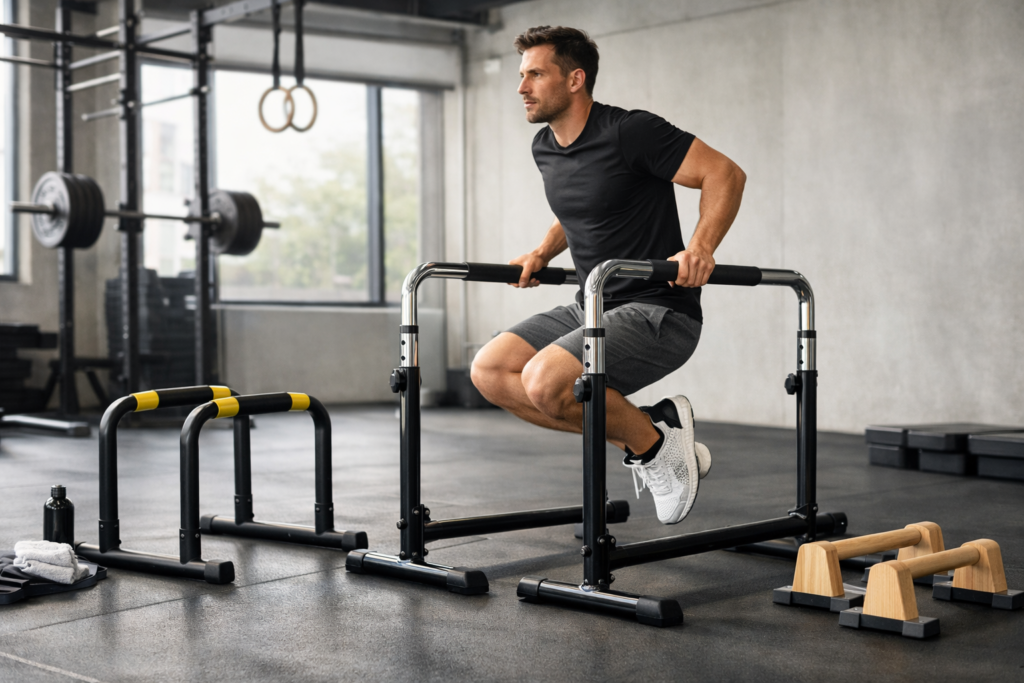
Choosing the Right Parallel Workout Bars for Your Fitness Goals
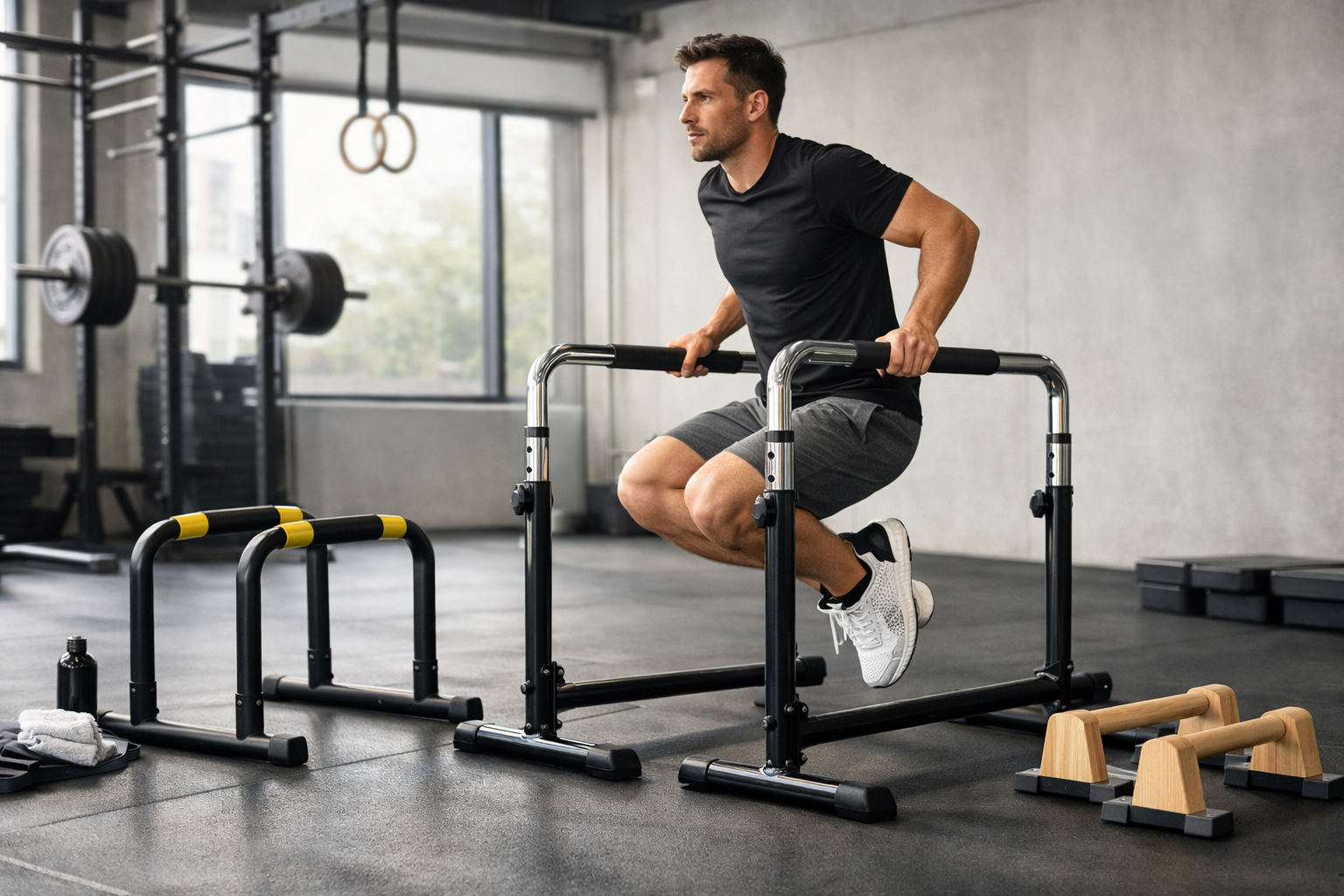
Choosing the right parallel workout bars can significantly enhance your fitness journey, whether you’re a seasoned athlete or just beginning. These versatile pieces of equipment are essential for various exercises that target strength, stability, and flexibility. The key lies in understanding how to select bars that align with your specific fitness goals, such as building upper body strength, enhancing core stability, or improving overall endurance.
When evaluating parallel workout bars, it’s crucial to consider factors like construction quality, weight capacity, and portability. A well-built pair not only supports your body weight but also provides stability during workouts, making your training sessions more effective and safer. As you explore the options available, keep an eye out for features that cater to your needs, ensuring that your investment directly contributes to your progress.
This guide will walk you through essential aspects of parallel workout bars, from their key features and popular models to common pitfalls you should avoid. By the end, you’ll be equipped with the knowledge needed to make an informed decision that propels you toward your fitness objectives.
Understanding Parallel Workout Bars
Parallel workout bars are versatile pieces of equipment designed primarily for strength training and calisthenics. They allow users to perform a variety of exercises that enhance upper body strength, core stability, and overall muscular endurance. The primary uses of parallel bars include bodyweight exercises such as dips, push-ups, and L-sits, as well as advanced movements like muscle-ups and handstand holds.
When choosing parallel workout bars, it’s essential to understand their construction and functionality. Most models consist of two parallel bars that are adjustable in height and width, providing room for customization based on an individual’s body size and workout preferences. A stable and well-balanced design is crucial to ensure safety during workouts, especially when performing dynamic movements.
One common misconception is that parallel bars are only for advanced users; however, they can be beneficial for beginners as well. For those new to strength training, starting with basic exercises like straight arm raises or knee tucks can help build foundational strength before progressing to more complex movements.
Another aspect to consider is the surface texture of the bars. Many users overlook this detail, but a non-slip surface is vital for maintaining grip during intense workouts. Depending on the material, some bars may feel slippery when sweating or might not provide adequate comfort for long-duration exercises.
In terms of practical use, assess the space you have available for installation. If you’re limited on space, consider portable options that can be easily stored when not in use. Conversely, if you have a dedicated workout area, sturdier models that can be anchored to the floor may be more suitable.
Overall, understanding what parallel workout bars are and how they work will help you make informed decisions about which model aligns best with your fitness goals and lifestyle. As we move into the next section, we’ll delve deeper into the key features that should be considered when selecting the right pair for your needs.
Key Features to Look For
When selecting parallel workout bars, several key features significantly impact their performance and suitability for your fitness goals. Here are the essential attributes to consider:
Material Quality The durability and stability of parallel workout bars largely depend on the materials used. Steel bars are generally more robust and can withstand heavier weights, while lighter materials like aluminum may be more portable but less stable. Ensure that the bars have a powder-coated or non-slip finish to enhance grip and prevent wear over time.
Height Adjustability Height adjustability is crucial for accommodating different body types and workout preferences. Look for bars that offer multiple height settings. This feature allows you to perform various exercises, such as dips and push-ups, in a comfortable position, reducing the risk of injury. If you’re planning to share the equipment with others, adjustable bars are particularly beneficial.
Stability Stability is non-negotiable when it comes to safety during workouts. Ensure the bars have a broad base or rubberized feet to prevent slipping. If you’re considering a model that can be disassembled for storage, check for a secure locking mechanism that maintains stability during use. Test the bars if possible; they should not wobble or shift under your weight.
Weight Capacity Assess the weight capacity of the parallel workout bars. Most models cater to a range between 200 to 600 pounds, but it’s essential to choose one that exceeds your weight, especially considering additional loads during exercise (like weighted dips). Overestimating your needs can lead to equipment failure and injury.
Practical Application Consider your workout environment. If you plan to use the bars primarily at home, ensure they fit your available space. For outdoor use, opt for weather-resistant materials. Additionally, if you anticipate using them for advanced movements like muscle-ups, prioritize models that can support dynamic exercises, which may require higher stability and weight ratings.
By focusing on these features, you can make a well-informed choice that aligns with your fitness objectives, ensuring a safer and more effective workout experience.
Comparing Popular Parallel Workout Bars
When selecting parallel workout bars, it’s essential to compare different options based on specifications, price, and user feedback. Each product has its strengths and weaknesses, which can significantly influence your workout experience and results.
First, consider the Body Solid Parallel Bars, a popular choice among fitness enthusiasts. Priced around $150, they offer a sturdy, heavy-duty frame capable of supporting up to 400 pounds. Users appreciate their stability and non-slip grips, making them ideal for rigorous bodyweight exercises. However, some users have noted that assembly can be challenging, and the bars may not be portable for those who wish to move them frequently.
On the other hand, the ProForm Parallel Bars tend to be more affordable, typically priced around $100. They are lightweight and easily adjustable, which makes them suitable for beginners or those with limited space. However, the maximum weight capacity is lower, at 250 pounds, which might not be sufficient for everyone. Additionally, some users report that the bars can wobble slightly during use, which can detract from the overall experience.
For those seeking a versatile option, the Titan Fitness Parallel Bars offer a balance between price and quality, usually available for around $130. They stand out for their adjustable height settings, making them accessible for users of various heights. However, they have received mixed feedback regarding their durability; some users have reported wear and tear after extended use.
Lastly, consider the Stamina 1690 Power Tower. While technically a multi-functional piece of equipment rather than standalone bars, it includes a parallel bar feature. Priced at approximately $200, it provides additional workout options, such as pull-ups and dips. Users appreciate its versatility, but it requires more floor space than traditional parallel bars, potentially limiting its appeal in smaller workout areas.
When comparing these options, think about your specific fitness goals and limitations. If you prioritize stability and weight capacity, the Body Solid bars might be the best fit. However, if you need adjustable height and versatility, the Titan Fitness option could serve you well. Always review user feedback carefully,
Common Mistakes to Avoid
When selecting parallel workout bars, it’s crucial to avoid common mistakes that can hinder your fitness journey. One frequent pitfall is overlooking space requirements. Before purchasing, measure your designated workout area to ensure the bars will fit comfortably. A common scenario involves enthusiasts buying equipment that looks great online, only to find it doesn’t suit their available space, limiting their ability to perform exercises safely.
Another mistake is prioritizing aesthetics over quality. While a sleek design may be appealing, the material and construction are what truly matter. Look for bars made from durable materials that can withstand heavy use. For instance, if you intend to perform advanced exercises like muscle-ups or dips, ensure the bars have a sturdy structure that can support your weight and dynamic movements. Many cheaper options may look attractive but could compromise your safety and long-term fitness goals.
It’s also important to consider the height and width of the bars. Some users underestimate the impact of bar dimensions on their workouts. If the bars are too low, they may limit your range of motion; if too wide, they can complicate your grip, leading to ineffective workouts. Always check product specifications and, if possible, test the bars before buying.
Lastly, avoid neglecting reviews and comparisons. Many parallel workout bars on the market may seem similar, but user feedback can provide insights into performance and durability that product descriptions often lack. Reviews can reveal issues like wobbling or instability, which are critical for maintaining safety during workouts.
By steering clear of these missteps, you can make a more informed decision and select the right parallel workout bars tailored to your specific fitness objectives.
Setting Up and Using Parallel Workout Bars
When setting up and using parallel workout bars, it’s crucial to ensure safety and optimize performance for exercises such as dips and push-ups. Here are practical steps to properly position your bars and maximize their effectiveness.
1. Choose the Right Location: Find a flat, stable surface for your workout. Ideally, place the bars on a mat or flooring that can absorb impact and prevent slipping. Make sure there’s enough space around the bars to perform your exercises without obstruction.
2. Adjust the Height: If your parallel workout bars are adjustable, set them to a height that allows your feet to clear the ground when performing dips. A height between hip and shoulder level is generally effective for most users. Test the height by performing a few repetitions to ensure you can maintain proper form.
3. Secure the Bars: If your parallel bars are movable, ensure they are stable and won’t shift during use. Some bars come with rubber grips or anchors for added stability. If not, consider placing weights on the base or securing them against a wall to prevent movement.
4. Warm Up Properly: Before engaging in exercises, warm up your muscles with dynamic stretches. Focus on the shoulders, chest, and triceps, as these areas are heavily involved in exercises on parallel bars.
5. Master Your Grip: For dips, grip the bars firmly with your palms facing inward and align your wrists under your shoulders. Keep your elbows tucked close to your body to prevent unnecessary strain. For push-ups, maintain a slightly wider grip to engage your chest more effectively.
6. Begin with Bodyweight Exercises: If you’re new to parallel bars, start with bodyweight exercises before adding resistance. Begin with basic dips and push-ups to build strength and confidence. Gradually increase the intensity by adding leg raises or using a weighted vest as you progress.
Common Mistakes to Avoid:
- Neglecting Form: Prioritize proper form over the number of repetitions. Poor form can lead to injuries, particularly in the shoulders and wrists.
- Rushing Through Exercises: Take your time with each rep to ensure you are
Frequently Asked Questions
When considering parallel workout bars, users often have questions about maintenance, exercise alternatives, and effective usage strategies. Addressing these inquiries can aid in optimizing your workout experience and prolonging the lifespan of your equipment.
Maintenance of Parallel Workout Bars
Regular maintenance is crucial for ensuring the longevity and safety of parallel workout bars. Check for signs of wear and tear, such as loose screws or rust, especially if your bars are outdoors. It’s advisable to wipe down the bars with a damp cloth after each workout to remove sweat and prevent corrosion. For wooden bars, ensure that they are treated with an appropriate sealant to protect against moisture and damage.
Alternatives to Parallel Workout Bars
For those exploring alternatives, consider using dip stations, resistance bands, or even a sturdy countertop for bodyweight exercises. While these options might not replicate the exact experience provided by parallel bars, they can still offer effective strength training. For example, dip stations allow for similar upper body workouts, focusing on triceps and shoulders, but may lack the stability of parallel workout bars.
Exercise Suggestions
When using parallel bars, it’s essential to incorporate a variety of exercises to avoid plateaus and enhance overall strength. Common exercises include dips, L-sits, and leg raises. However, many users overlook advanced variations like muscle-ups or straight bar dips, which can significantly challenge your strength and coordination. Start with basic movements and progressively incorporate more challenging exercises as your strength improves.
In summary, maintaining parallel workout bars involves regular visual checks and cleaning, while alternatives and diverse exercise options can enrich your workout routine. By addressing these aspects, you can maximize the utility of your parallel workout bars and achieve your fitness goals more effectively.
Frequently Asked Questions
What exercises can I do with parallel workout bars?
You can perform dips, push-ups, L-sits, and various other strength training exercises.
How do I maintain my parallel workout bars?
Regularly check for stability, clean them after use, and store them in a dry place to avoid rusting.
Can parallel workout bars be used outdoors?
Yes, but ensure they are made of weather-resistant materials to prevent damage.
What is the ideal height for parallel workout bars?
The ideal height varies, but it should allow you to perform exercises comfortably without straining.
Are there alternatives to parallel workout bars?
Yes, you can use sturdy benches or even chairs for some exercises, but they may not provide the same stability.
#子文