
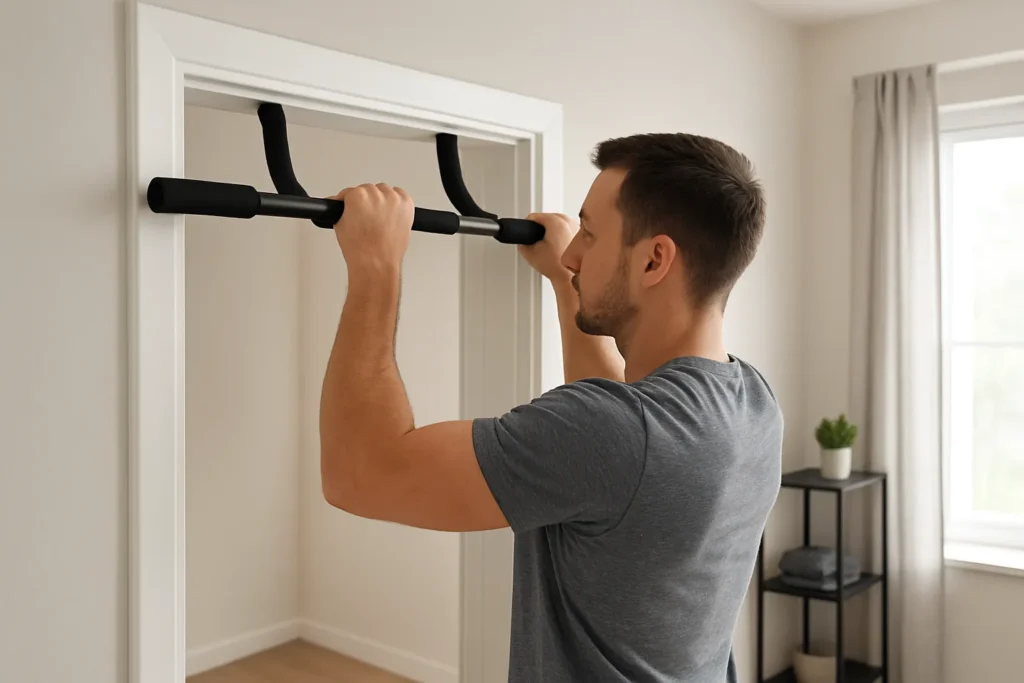
Choosing the Right Pull Up Bar for Home Workouts
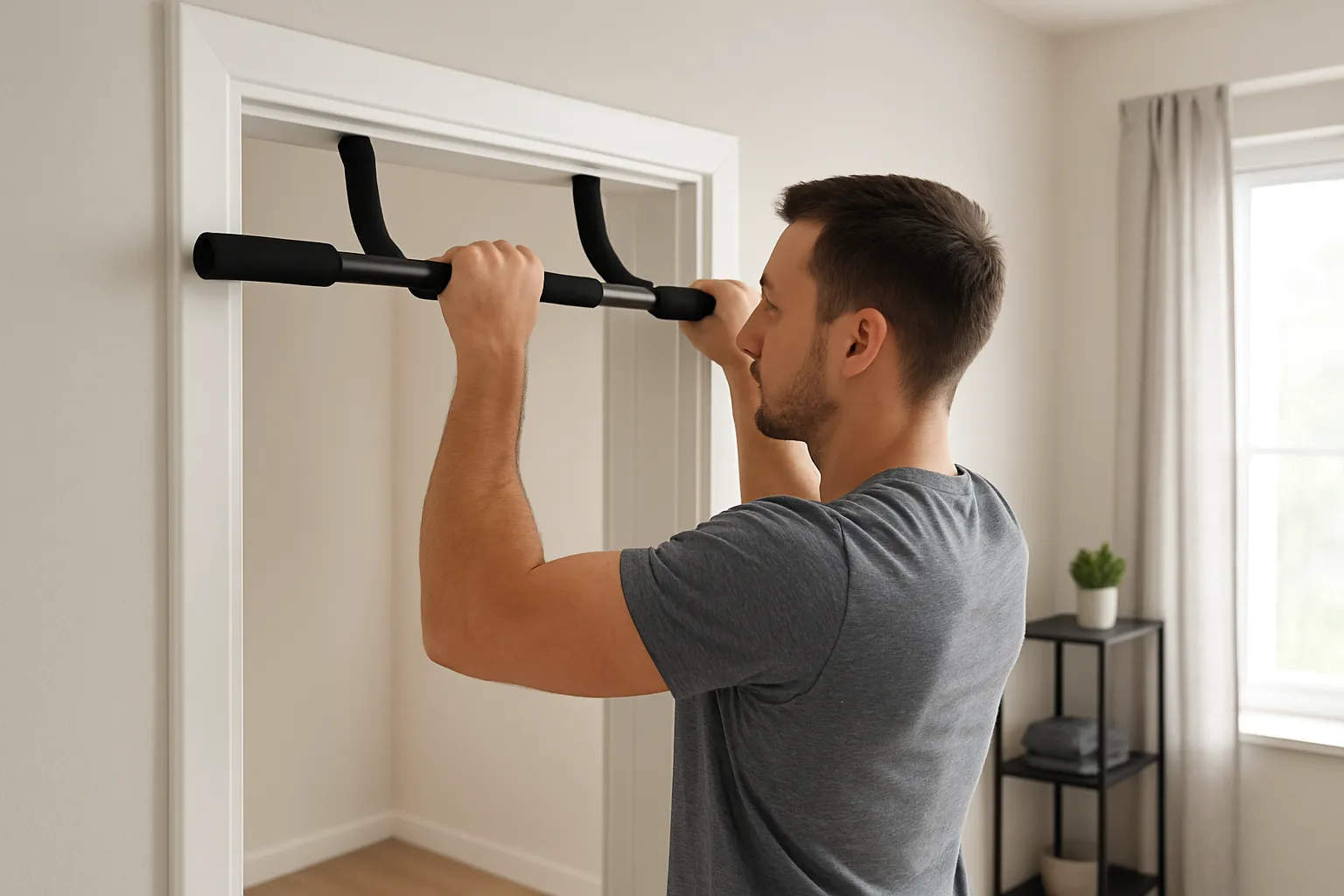
Choosing the right pull-up bar for home workouts is crucial for beginners. A well-chosen bar enhances your ability to perform this fundamental exercise safely and effectively. Focus on three main factors: the type of bar that fits your space, your budget, and the exercises you plan to do.
Step-by-Step Guide to Choosing a Pull Up Bar
- Assess Your Space: Identify where to install the bar. Doorway pull-up bars are ideal for limited space, while wall-mounted or free-standing bars offer more stability.
- Consider Types:
- Doorway Bars: Easy to install, compact, but may have weight limits.
- Wall-Mounted Bars: Sturdy with higher weight capacity but require drilling.
- Free-Standing Bars: Versatile but take up more space.
- Check Weight Capacity: Ensure the bar can support your weight plus any additional force during workouts.
- Installation Ease: Some bars require tools, while others are simple to set up. Read installation instructions carefully.
- Versatility: Look for bars that allow for different grip positions and additional exercises like dips.
Comparison of Popular Pull Up Bar Types
| Type | Pros | Cons |
|---|---|---|
| Doorway Pull-Up Bars | Easy installation, compact, various grips | Limited weight capacity, potential door frame damage |
| Wall-Mounted Bars | Sturdy, supports heavier weights | Requires drilling, takes up permanent space |
| Freestanding Stations | Versatile, includes additional features | Bulky, generally more expensive |
| Ceiling-Mounted Bars | Maximum stability, various heights | Complex installation, not easily removable |
Common Mistakes to Avoid When Buying a Pull Up Bar
- Ignoring Weight Limits: Always check the maximum weight capacity to ensure safety.
- Underestimating Space Requirements: Measure available space carefully to avoid installation issues.
- Focusing on Aesthetics: Prioritize functionality and stability over design.
- Neglecting User Reviews: Research products to avoid poor choices based on marketing alone.
Frequently Asked Questions About Pull Up Bars
Installation Tips: Follow the manufacturer’s instructions and ensure your wall or doorway can support the bar.
Maintenance: Inspect for wear and tear monthly, and clean regularly to maintain grip.
Safety Precautions: Keep the area around the bar clear and check stability before use.
Practical Tips for Getting Started with Your Pull Up Bar
- Warm-Up: Prepare your upper body with arm circles and stretches for 5-10 minutes.
- Start with Assisted Pull-Ups: Use a resistance band or chair for support, gradually reducing assistance.
- Set Achievable Goals: Track your workouts and aim to increase reps or difficulty weekly.
- Avoid Neglecting Other Muscle Groups: Include exercises for your core and legs for a balanced routine.
- Focus on Form: Ensure correct technique to prevent injuries.
Frequently Asked Questions
What is the best type of pull up bar for home use?
It depends on your space and needs. Doorway bars are great for limited space, while wall-mounted options offer more stability.
How much weight can a typical pull up bar hold?
Most pull up bars can support between 200-300 pounds, but always check the manufacturer’s specifications.
Can I install a pull up bar myself?
Yes, many pull up bars come with installation instructions. Ensure you have the right tools and follow safety guidelines.
What are some beginner exercises I can do with a pull up bar?
Start with assisted pull-ups, hanging leg raises, and static holds to build strength gradually.
How do I maintain my pull up bar?
Regularly check for wear and tear, tighten screws, and clean the bar to ensure safety and longevity.