
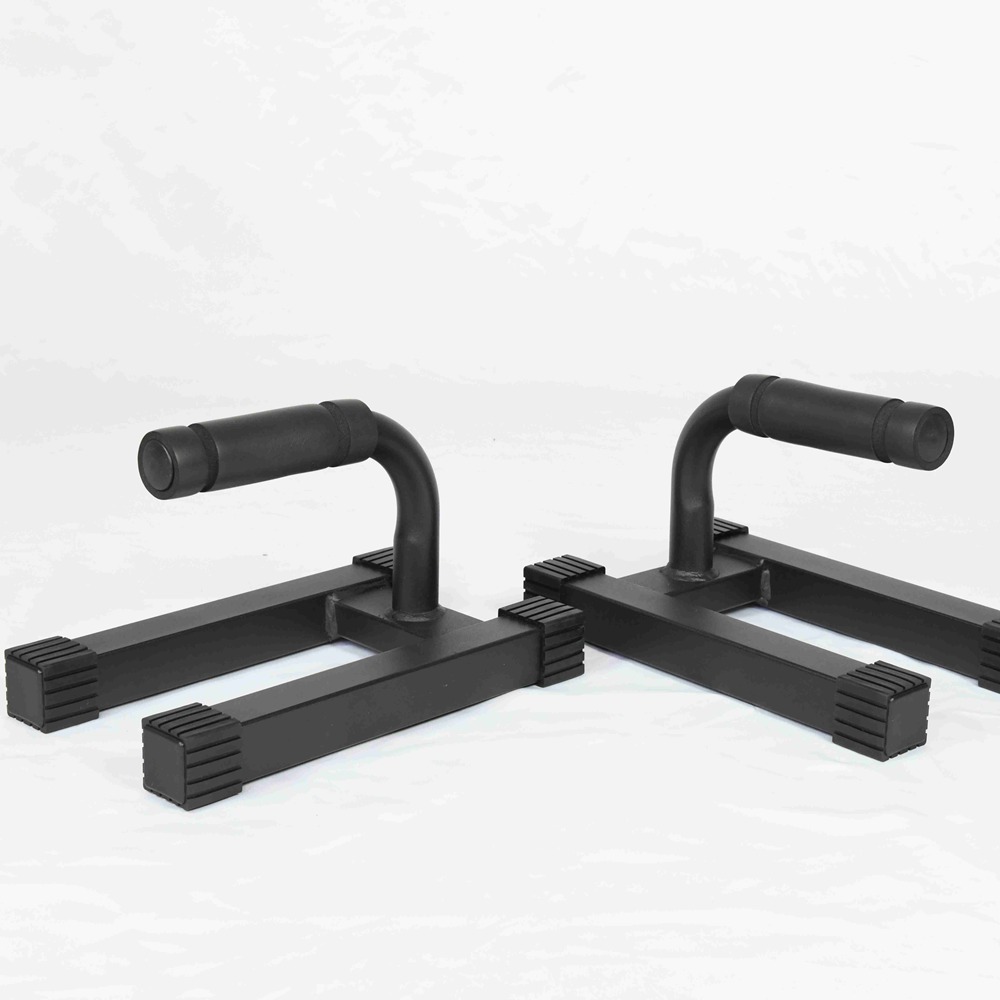
A colour designation needs an identified reference system and a defined product area. For the historical H-shaped steel-pipe push-up-frame offer, first ask whether the supplier actually offers a colour choice or issues a designation for a named supplied component. Only then should the buyer request the literal code, system or physical reference and the quoted version it covers. A catalogue surface does not establish a standard colour or a matching result.
Confirm the applicable product offer
Identify the supplier’s exact H-frame reference and quote revision. The historical product page helps name the enquiry, but its steel-pipe wording remains an attributed catalogue identity. It does not provide a verified material result, a current colour range or a custom-colour service. Keep the supplier-confirmed configuration separate from a buyer’s proposed choice.
If the product version is not identified, retain that applicability gap. A colour reply for another frame or component should not silently govern the selected offer. The purchasing record needs a connection between the actual supplied configuration and the designation being discussed, rather than a comparison based on similar appearance.
Establish that a designation is actually supplied
Ask whether the supplier offers a colour choice or provides a colour designation for this configuration. Preserve the response as given. Colour option not offered, code not stated and designation unresolved describe different evidence. A general acknowledgement of a colour enquiry does not establish a particular reference or permit an unrestricted buyer-selected colour.
Where a designation is supplied, retain its literal wording and attributable source. Do not invent a code to make the record complete. A colour name, an internal item description and an external reference may serve different purposes; the buyer should request the supplier’s own classification instead of deciding it from the format of the text.
Identify the supplier’s reference system
Ask whether the designation is an internal supplier code, an explicitly named external reference system or a specified physical reference. These are categories for the supplier to identify, rather than equivalents the buyer can choose. Retain an unnamed system as unresolved even if the supplied designation looks familiar or resembles a reference used in another quotation.
An internal code does not automatically correspond to an external standard. Equally, a reference to a named external system does not establish a matching result for the supplied frame. Preserve the supplier’s exact identification without adding an equivalence, conversion, colour tolerance or performance conclusion. This enquiry records reference identity rather than validating colour reproduction.
Define the component and area
Ask which supplier-named component or area the designation covers. A statement for an identified frame region should not automatically be extended to a grip, sleeve, logo or another part. Keep any unprovided area correspondence open. The fact that several surfaces appear together in a catalogue image does not establish a shared commercial colour designation.
Colour-reference identity also differs from a finish-area declaration. A named colour code does not supply a coating process, material or physical finish specification. Retain the supplier’s stated area and applicable version without filling those separate attributes from appearance. The record does not establish strength, grip, durability or any safety result.
Treat a physical reference as an attributed identifier
If the supplier specifies a physical reference, record what it calls that reference and which offer it says the reference covers. Do not assume that a sample has been supplied or will be delivered. A reference mentioned in a reply can remain an identifier while its relationship to the selected component is still unconfirmed.
Keep sample correspondence unconfirmed where no explicit link is given. This state is distinct from having no code at all. It allows the purchasing team to retain the available designation while directing the next question to the missing correspondence, without adding a sample service, colour-match promise or stock statement.
Colour record field | Supplier information to retain | Unresolved boundary
Product offer | Exact H-frame configuration and quote revision | Other versions not assumed equivalent
Designation | Literal code or named reference | Code not stated
System identity | Supplier internal, named external or specified physical basis | System unnamed
Component or area | Expressly covered supplied region | Area applicability unclear
Reference correspondence | Supplier’s actual link to the configuration | Correspondence not confirmed
Attribution | Applicable message, document and respondent | No matching or service inference
Resolve a concrete colour-reference ambiguity
Consider a buyer who receives a colour designation for the H-frame but cannot identify the system behind it. The buyer can preserve the literal designation and request the supplier’s classification. The code’s appearance does not answer that question. If the supplier identifies an internal system, the record should retain that identity without translating it into an external standard the supplier never named.
If another reply identifies a product area but does not connect it to the code, keep the area and designation as separate pieces of information. The next enquiry can ask whether that exact designation applies to that region of the quoted version. There is no need to turn a catalogue surface into a technical colour reference to fill the gap.
Keep revisions and limits visible
Link a clarification to the quote or document revision it concerns. If a component or version changes, ask whether the previous colour-reference statement still applies. Preserve older replies as history rather than automatically carrying their designation into the changed offer. A clear handover identifies which correspondence is supported and which remains unresolved.
The resulting record concerns a supplier’s purchasing reference. It does not establish colour availability, a custom service, equivalence, tolerance or conformity of a delivered item. No painting, refinishing, removal, measurement, assembly or testing procedure is part of this enquiry. The buyer requests attribution of an existing designation, rather than creating a manufacturing instruction.
Frequently asked questions
Does a familiar-looking code identify an external colour system?
Not by appearance alone. Request the supplier’s actual classification and retain the named system only if it provides one. An internal reference should not be converted into an external equivalent, and an unnamed system remains unresolved even when the code resembles one used elsewhere.
Does a colour choice imply a custom-colour service?
No such service follows from this record. Preserve the supplier’s actual offer and the designation it provides for the identified configuration. A colour-choice statement does not establish unrestricted selection, current stock, a matching result or a production capability beyond its stated scope.
Can a code for one component cover the whole frame?
Only the supplier’s actual applicability statement can establish its area scope. Retain the named component or region and keep other areas unresolved. Shared appearance in a product image does not connect every surface to the same reference or establish a finish specification.
Does a specified physical reference prove a colour match?
No matching result is established here. Record the supplier’s reference identity and its stated relationship to the quoted product. If that correspondence is not supplied, retain it as unconfirmed without assuming a sample delivery, tolerance or validated comparison result.
Use the historical H-frame reference below to identify the enquiry, then request the supplier’s actual colour designation, named reference system and component or area correspondence for the quoted version.
https://prdsports.com/product/h-shaped-steel-pipe-push-up-frame/
https://prdsports.com/contact/
https://prdsports.com/blog/