
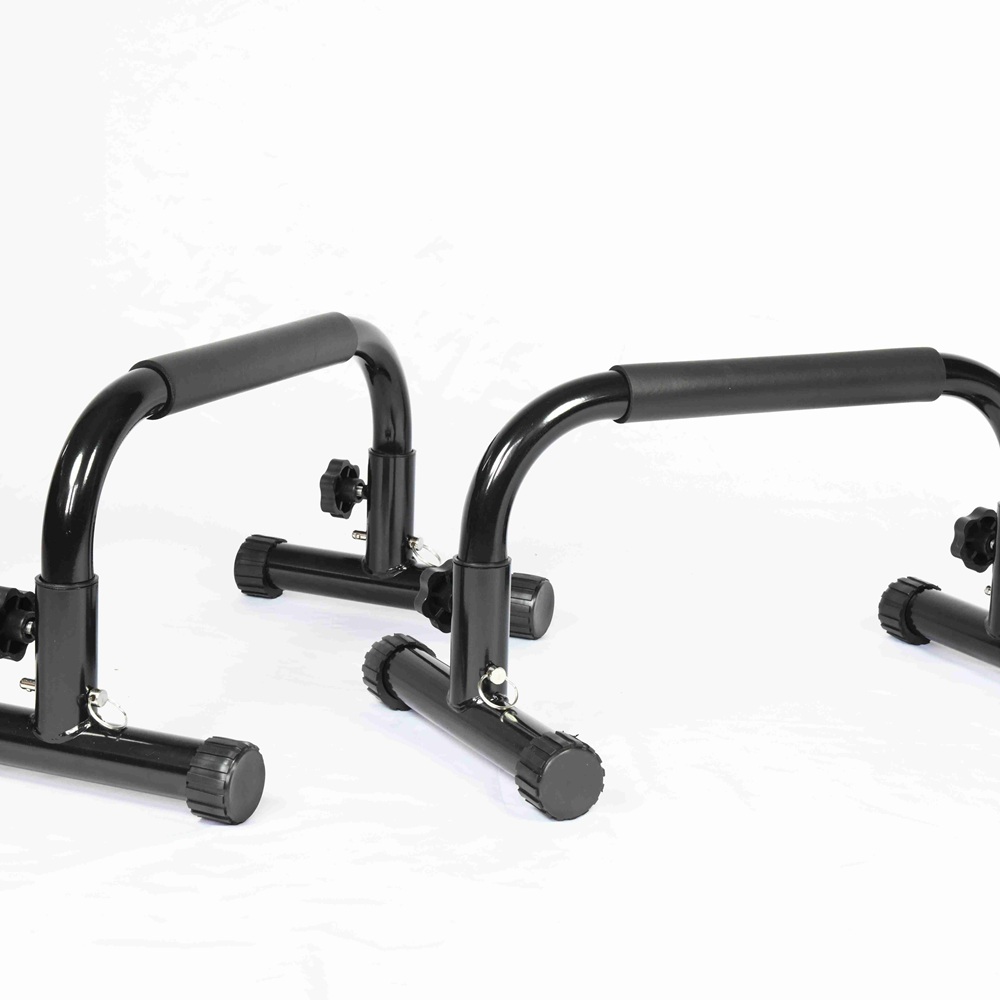
A supplier’s commercial coverage statement needs an identified offer, attributable wording and a clear component scope. For the historical pin-type black push-up-frame offer, the first question is whether the supplier expressly provides such a statement at all. Only if offered should the buyer map its actual named inclusions and exclusions to the identified product configuration. The catalogue title does not establish a warranty, repair service or any particular commercial term.
Identify the exact offered configuration
Connect the enquiry to the supplier’s complete product reference and applicable quote revision. The historical pin-type black push-up-frame page identifies the item for discussion. It does not establish a current component list or a commercial coverage offer. Keep the supplier-confirmed configuration separate from the buyer’s proposed version so a statement for another item is not silently transferred.
Ask the supplier which product or configuration its response concerns. If that link is unclear, retain applicability unconfirmed. A shared product word or a similar photograph cannot determine the scope of a commercial statement. The record should show the exact identity gap before a colleague relies on component wording from another reference.
Establish whether a statement is expressly offered
Ask whether the supplier provides a commercial warranty or after-sales coverage statement for that identified offer. Preserve the actual response without assuming such a statement exists. Not offered, not declared and not yet confirmed are different states. An unanswered request should not be converted into either a positive offer or a conclusion about every possible commercial arrangement.
If a statement is provided, retain its literal title or description, source and applicable revision. Do not supply a period, remedy or service capability to make the record appear complete. This purchasing task identifies the supplier’s own declaration. It does not interpret legal rights or decide the effect of the statement.
Map only the components actually named
Request the supplier’s own scope for any identified whole-frame body, supplied pin or expressly named loose component. Preserve the component terminology actually used. Do not create a parts list from the product title or photograph, and do not assume a pin quantity or a loose-component configuration simply because the frame is described as pin-type.
Where a component has not been identified in the offered configuration, retain that uncertainty rather than assigning coverage to it. Component supply and component coverage are separate subjects. An item may be named in another record without the commercial statement explaining whether that item falls within its scope.
Keep inclusions and exclusions attributable
Record an inclusion or exclusion only when the supplier actually states it for the applicable component and version. Missing wording should remain not declared or unresolved. It should not be treated as an express exclusion merely because another component is named. Likewise, a statement about a whole-frame body should not automatically be extended to every associated item.
Retain the exact clause or reference that supports each scope entry. If the supplier uses an undefined collective term, ask which identified components it includes. The buyer should not expand that term by familiarity with another product. This creates a traceable scope map without adding a coverage promise or deciding what response a future situation would receive.
Link the record to the actual terms reference
Ask which supplied statement or terms revision governs the declared scope. Preserve the document identifier or attributable message actually provided. A mention of terms does not establish that a separate document has been supplied, and an unprovided reference remains open. Do not replace it with wording from another offer or an internal summary.
If a reply points to a response route or another stated term, retain it only as actually provided and linked to that statement. It does not establish replacement stock, a repair capability or a guaranteed service outcome. The record remains an attribution task rather than an interpretation of obligations, remedies or legal effects.
Coverage record field | Supplier information to retain | Boundary to preserve
Product configuration | Exact frame offer and revision | Other versions not assumed covered
Statement availability | Express supplier response | Not offered or not declared remain distinct
Named component | Supplier’s actual term and identity link | No inferred component list
Scope entry | Literal inclusion, exclusion or unresolved wording | Silence is not an exclusion
Terms reference | Supplied statement or applicable revision | Reference not provided
Attribution | Respondent and source for each entry | No service or legal conclusion added
Resolve a concrete purchasing ambiguity
Consider a buyer who receives a supplier coverage statement naming a frame body but saying nothing about an identified pin. The buyer can preserve the body wording and ask whether the pin is addressed by that statement. Neither automatic inclusion nor automatic exclusion should be entered to fill the gap. The unresolved component correspondence is the next supplier question.
If another reply mentions a loose component without linking it to the quoted configuration, keep that identity issue separate from coverage. The supplier can first identify the item and then state its applicable scope. A description from another product record does not settle either question merely because the component name looks similar.
Separate coverage from other approvals
A sample-confirmation acknowledgement concerns the supplier’s stated sample scope, not necessarily a commercial coverage statement. A return reference, extra-component offer or delivered-state description also concerns a different decision. Retain such records as applicable history without using them to supply a missing inclusion, exclusion or terms reference in this enquiry.
The coverage map does not determine defect acceptance, waive anything or approve the product for operation. It does not establish load, safe retention or performance. No inspection, measurement, assembly, exercise, testing or repair procedure is needed to identify what the supplier’s actual statement names.
Maintain a precise handover
The handover should identify whether a statement was offered, which configuration it concerns, the components actually named and the supporting terms reference. Keep unprovided fields visible beside the available declarations. A colleague can then request the precise missing clarification without converting an internal assumption into supplier wording.
When a configuration or statement revision changes, ask which earlier scope entries still apply. Preserve the previous response as history and identify any current replacement statement. Do not silently carry component coverage into a revised offer. This maintains attribution while leaving the statement’s legal interpretation outside the purchasing record.
Frequently asked questions
Does the product listing establish that a warranty is offered?
No commercial coverage offer follows from the catalogue identity alone. Ask whether the supplier expressly provides a statement for the identified configuration. Retain not offered, not declared or unconfirmed according to the actual reply, without inserting a period or a service outcome.
Does a whole-frame statement automatically cover every component?
Do not extend the wording beyond its stated scope. Request the supplier’s actual component correspondence and retain undefined or unmentioned items as unresolved. A named frame body, pin or loose item needs an applicable statement rather than a buyer-created assumption about collective coverage.
Is a component omitted from the wording necessarily excluded?
An omission is not an express supplier exclusion in this record. Preserve the wording and identify the unanswered component question. Record an inclusion or exclusion only when the supplier actually provides it for the applicable version, with an attributable source or terms reference.
Does retaining a terms reference confirm a repair service?
No service capability or remedy is established by this attribution task. Retain the actual supplied reference and its component scope without adding replacement stock, repair availability or an interpretation of legal effects. The purchasing record identifies the statement rather than promising a future response.
Use the historical pin-type frame reference below to identify the enquiry, then request any expressly offered coverage statement and its actual named-component, configuration and terms-reference scope.
https://prdsports.com/product/new-steel-pipe-pin-type-black-push-up-frame/
https://prdsports.com/contact/
https://prdsports.com/blog/