
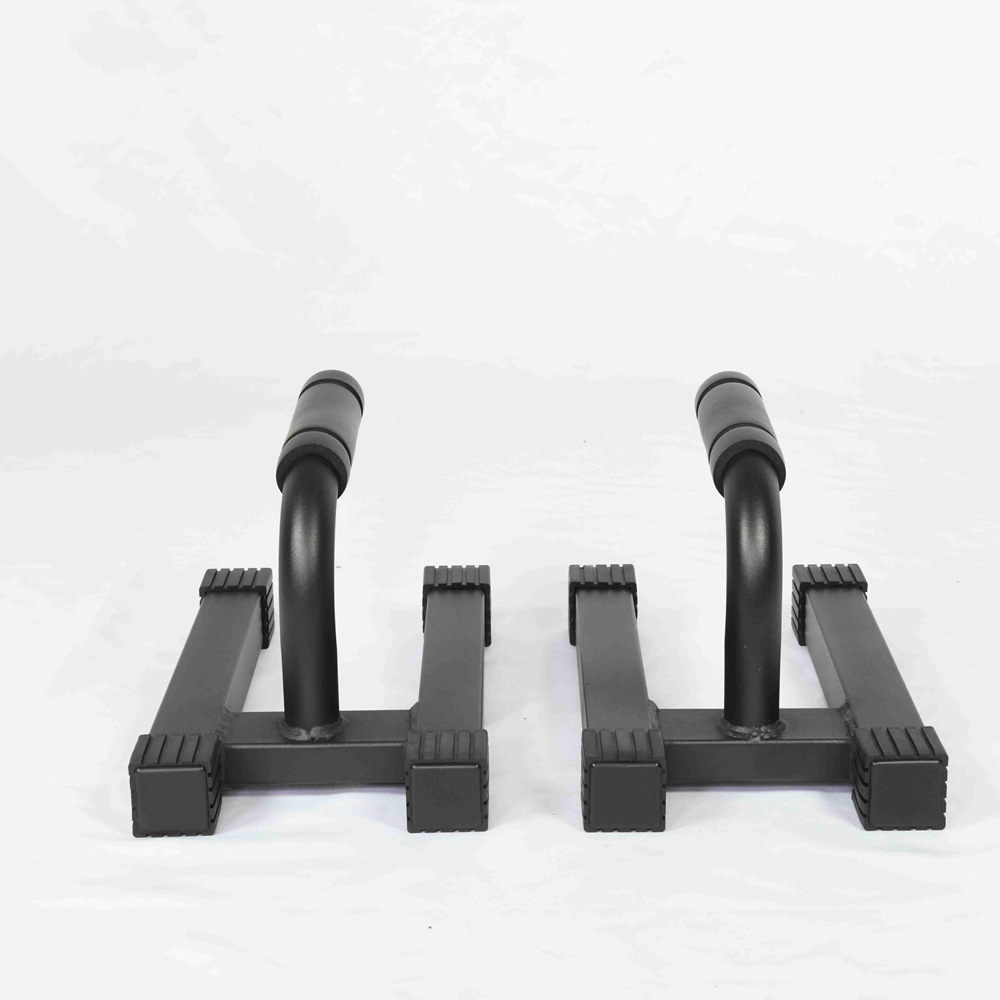
H-Frame Tube Walls: Define the Declared Basis
Before recording a tube-wall-thickness basis for an H-frame offer, confirm that the supplier expressly identifies a hollow tube component and actually provides a thickness statement. The catalogue name H-shaped steel-pipe push-up frame does not establish either fact. Only those supplier declarations support the next questions about the named section, location and surface state covered by the existing statement.
The purchasing task concerns the meaning of an attributed dimensional declaration. It does not create a thickness, a hollow construction or a strength result. A buyer comparing component information needs to preserve the exact subject of the supplier’s statement while an undeclared component, missing value or unresolved condition remains visible in the record.
Identify the offered frame and named component
Use the supplier’s actual H-frame version, quote line and component reference where provided. Ask which expressly declared hollow tube the statement concerns. Do not infer that all parts are hollow or that the catalogue’s steel-pipe wording describes every supplied component. If the supplier has not declared a hollow component, the conditional wall-basis enquiry remains unresolved at that prerequisite.
Keep the component identity separate from other frame records. A finish-area map or overall frame dimension can identify a different subject without establishing a tube wall. Likewise, a section-profile name does not automatically supply a thickness statement. Retain each declaration within the specific question it answers rather than combining nearby information into an apparent complete component specification.
Confirm the existing thickness statement
Ask whether the supplier provides a wall-thickness declaration for that named component in the actual offer. Preserve its literal dimension term and unit if supplied. Do not create a value, convert a gauge expression or substitute a figure from another product. A value not provided should remain unavailable rather than being filled from a familiar material description.
The presence of a number does not resolve its subject. If the statement does not identify the component or applicable version, retain it as an attributed but incomplete declaration. The next request should establish that connection before the information is adopted in a comparison field. The buyer should not assign a likely tube merely because it is visible in a catalogue photograph.
Request the named section and location
Ask which tube section or location the supplier says its declaration covers. Retain the reference in the supplier’s own terms and preserve any marked component document it offers. A statement for one named section should not be broadened to other sections or the complete frame unless the supplier expressly establishes that scope.
Keep uniformity and tolerance questions separate. A location-specific statement does not demonstrate uniform wall thickness, and a literal nominal description does not establish an unstated tolerance. Do not fill either field from general expectations. The purpose of this record is to identify the supplier’s declared basis, including its limits, rather than manufacture a dimensional guarantee.
Clarify the supplier-defined surface condition
Request the condition attached to the statement, including whether the supplier expressly refers to a bare tube or another named state. Preserve only the wording actually supplied. Do not assume coating inclusion or subtract an imagined surface layer. If the condition is unstated, keep it unresolved alongside the literal dimension term and component reference.
A separately named finish does not establish its role in a thickness value. The supplier must connect that condition to the actual statement if the relationship matters. Keep a finish declaration and a tube-wall declaration in distinct fields until that connection is supplied. This avoids combining a value from one document with a surface description from another version.
Retain evidence without creating a measurement procedure
If the supplier provides a component drawing or marked reference, retain its identifier, issuer and revision. Ask which statement in that reference applies to the offered component. A document mentioned but not provided can remain an evidence gap. The buyer does not need to create an illustration or a physical measurement to complete a missing declaration.
This enquiry does not provide cutting, drilling, fabrication, measuring, assembly, exercise or testing instructions. It also does not establish load, strength or safety. A clearer supplier record can support a purchasing comparison while those additional requirements remain separately supported questions. The catalogue image is identification context, not a test or a validated dimensional reference.
Build a tube-wall basis record
Record field | Supplier information to retain | Boundary to preserve
Offered frame | Exact H-frame version and quotation | Another product stays separate
Declared component | Supplier-named hollow tube, if stated | Hollow construction is not assumed
Thickness statement | Literal dimension term and unit if supplied | No value or conversion invented
Section or location | Supplier’s applicable component reference | No frame-wide uniformity inferred
Surface condition | Bare tube or other named state as declared | Coating inclusion remains unconfirmed if unstated
Evidence link | Attributed drawing or document revision | Missing evidence stays unavailable
Open point | Unclear subject, location or condition | Keep comparison applicability unresolved
Retain the response date and supplier wording beside any buyer status label. If a revised component or condition changes the declaration, preserve the earlier statement against its original version and link the new answer separately. This keeps an internal specification sheet from combining information that never formed one supplier-attributed declaration.
Use the record in a component comparison
Consider an illustrative buyer receiving a thickness term for a named hollow component but no surface-condition statement. The component and literal declaration can be recorded while the condition stays unresolved. The next request should clarify the applicable basis rather than assuming the value includes or excludes a finish layer.
In another illustrative response, the supplier provides a location-specific reference without confirming that it applies to the quoted frame revision. Preserve the location information against that reference and leave offer applicability open. This is useful progress without asserting a dimension, uniformity or strength for the actual offered item.
Frequently asked questions
Does steel-pipe catalogue wording establish a hollow component?
No. Request an express supplier declaration identifying the applicable component before treating the enquiry as a hollow-tube wall-basis question.
Can a section-profile description supply wall thickness?
No. A profile name and an existing thickness statement are separate declarations. Retain their actual subjects and request the missing link where necessary.
Should coating inclusion be assumed from a finish name?
No. Ask which surface condition the supplier’s thickness statement covers. An unstated condition should remain unresolved rather than being calculated or guessed.
Does a clarified basis establish load or safety?
No. It records the supplier’s dimensional scope. It does not create a strength, load, safety, tolerance or test result.
Request the exact component declaration
Use the official H-frame page to identify the enquiry and request the supplier’s component, section and condition references through the contact channel. Related purchasing articles provide context without supplying technical facts missing from the actual offer.
https://prdsports.com/product/h-shaped-steel-pipe-push-up-frame/
https://prdsports.com/contact/
https://prdsports.com/blog/