
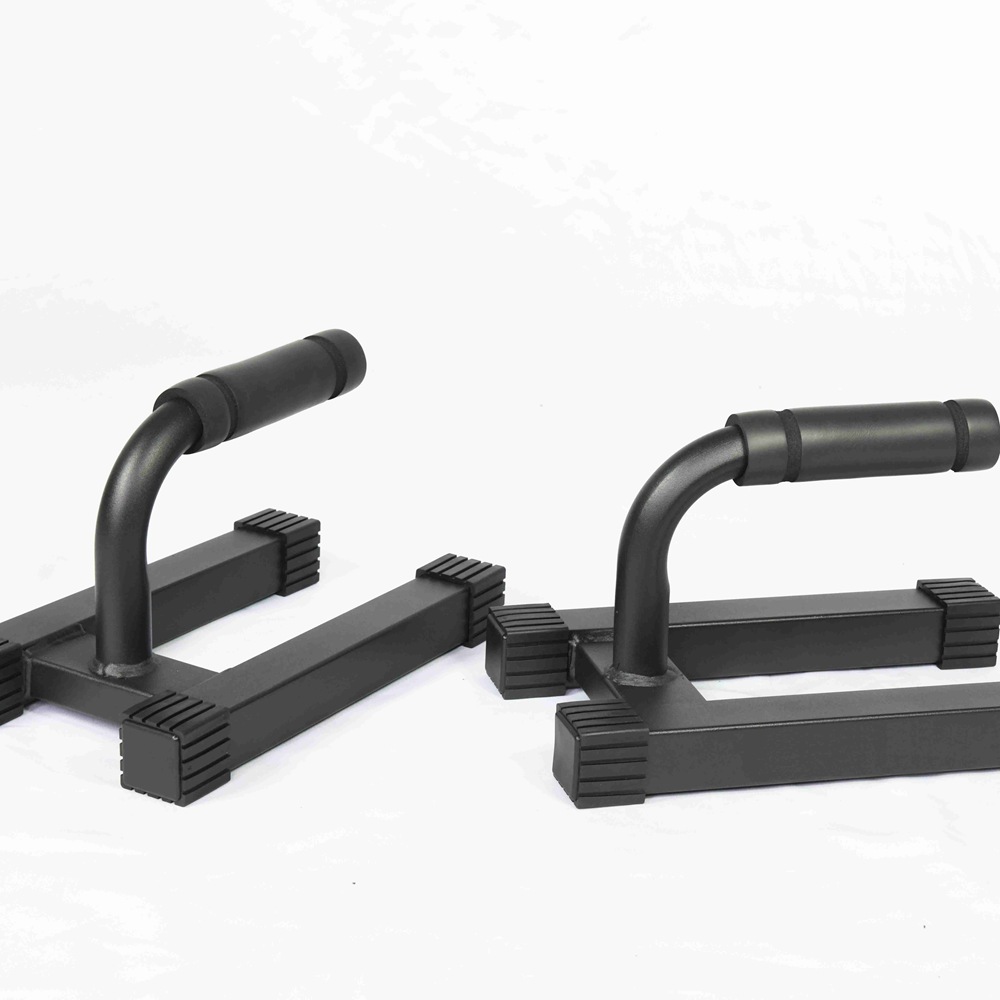
A weld reference attached to a push-up-frame enquiry needs an identifiable offered version and a clear statement of the junctions it covers. Before building a record for the H-shaped frame, ask whether the supplier expressly declares welded junctions for that particular offer. If it does, request the supplier’s junction identities and applicable drawing references. Keep an undeclared junction or a reference for a different version unresolved. The resulting index organises attributed evidence; it does not establish weld quality, structural capability or safe use.
Start with the exact H-frame offer
Use the H-shaped steel-pipe push-up-frame catalogue identity to identify the listing under discussion, then retain the supplier’s offer reference and revision when provided. The catalogue’s steel-pipe wording remains an attributed identity description. It does not independently establish material coverage or a joining process for every part of the offered frame.
Ask which physical version the supplier’s reply concerns. A drawing for another version may still be a received document, but it should not be marked applicable to the current offer without clarification. Keep the version distinction visible from the beginning so that a later junction description is not silently attached to the wrong configuration.
Establish whether welded junctions are expressly declared
Begin with the supplier’s declaration status. Ask whether it expressly declares welded junctions on the exact offered version. If no such declaration has been supplied, record not declared or not stated according to the supplier’s actual response. Do not infer a weld from an apparent joint, finish transition or shadow in the catalogue photograph.
Where the supplier uses broader joining terminology, preserve that wording and request its relationship to the question. A description of an assembled frame does not establish a particular joining process. Keep the supplier’s statement at the scope actually provided rather than turning general product language into a junction-specific construction claim.
Request supplier-named junction identities
If welded junctions are declared, request an existing supplier schedule or reference that names the covered junctions. Preserve the supplier’s own identifiers and naming. If the supplier has not supplied identifiers, keep that gap explicit. The buyer should not create actual junction IDs from the photograph and present them as supplier evidence.
Each named junction should remain connected to the offered frame reference. Ask the supplier to distinguish any junction described for a different version or left outside its statement. A useful index can retain applicable, different-version and unresolved entries without claiming that every visible meeting point has been identified or that every part is joined in the same way.
Connect each entry to the applicable drawing
Request the supplier drawing or other existing reference and its revision for each declared junction identity. Record the relevant annotation as supplied. A document title alone may not explain which junction a statement covers, so keep the particular reference gap visible where the connection is missing. Receiving a drawing is different from resolving every attribution question.
This record differs from a general document handover index or a surface-finish map. Its purpose is to connect a particular declared junction to the supplier’s applicable reference. A finish-area description may concern appearance without declaring a joining process. Keep those sources available for their stated roles instead of promoting them into evidence that answers a different question.
Retain a joining-process declaration only if supplied
If the supplier expressly supplies a joining-process declaration, retain its exact wording under the junction reference it covers. Do not infer a process from the product name or an apparent line in the photograph. If no process statement has been supplied, record that absence of documentation without inserting a likely method.
Keep the coverage of any process wording clear. A general statement attached to an entire product range may not identify the junction or offer version in the current enquiry. Ask the supplier to clarify applicability rather than expanding the statement across every entry. This preserves a useful distinction between received wording and an explicitly connected declaration.
A junction-specific evidence index
Use a record that allows individual questions to remain open. Its fields organise supplier statements and their coverage; they do not create a fabrication specification, inspection result or acceptance decision.
Field | Supplier information to request | Purchasing use
Offered frame | Exact H-frame version and quotation revision | Attach the record to the compared product
Declaration status | Supplier welded-junction wording or not declared | Separate an express statement from inference
Junction identity | Supplier-named ID or unresolved identity | Keep each declaration’s covered location identifiable
Applicable evidence | Drawing reference, annotation and revision | Preserve the source of the attribution
Process wording | Expressly supplied declaration, or not supplied | Avoid assigning an assumed joining method
Open issue | Version mismatch or missing junction connection | Direct the next enquiry accurately
In an illustrative enquiry, a buyer might receive a frame drawing and a broad product description but no junction declaration. The index can retain the drawing as received, leave the declaration status unanswered and request a supplier-named schedule if applicable. That is a useful purchasing record without turning the document or photograph into proof of a weld.
Keep qualification and performance outside the index
Identifying an attributed junction does not qualify a weld or establish strength, load capability, durability or safety. A named process does not establish those results either. If a separate supplier claim is raised, preserve its exact wording, version applicability and unresolved evidence questions separately. Do not imply that a completed identity field accepts the claim.
The enquiry provides no fabrication, inspection, loading or testing procedure. It does not tell a buyer how to assess a physical junction or operate the frame. Its practical value is narrower: the purchasing team can see which supplier statements belong to which offered version and where another reply is needed.
Carry revisions through the comparison
When a later schedule is supplied, identify the earlier question it answers and the offer revision it covers. Distinguish a clearer reference from a change in the offered junction scope. For handover, provide the exact declaration, supplier junction identities, applicable drawings and unresolved attributions together. This lets another colleague continue correspondence without filling missing connections from the catalogue image.
Frequently asked questions
Does a visible joint in the photograph prove a welded junction?
No. Request an express supplier declaration for the exact offered version.
Can a drawing for a different version be marked applicable automatically?
No. Retain the version mismatch and request the supplier’s applicable reference.
Does a finish-area statement establish a joining process?
No. Preserve its original role and request a junction-specific declaration if the supplier offers one.
Does a complete junction index qualify weld quality or safe use?
No. The index records attribution and scope, not structural qualification or performance.
Use the official H-frame page to identify the catalogue product in the enquiry.
https://prdsports.com/product/h-shaped-steel-pipe-push-up-frame/
Send the exact offered version, the supplier’s existing junction wording and the missing attribution question through the contact page.
https://prdsports.com/contact/
Related purchasing articles are available in the blog.
https://prdsports.com/blog/