
Maximizing Gym Efficiency: Choosing the Right Wholesale Fitness Equipment
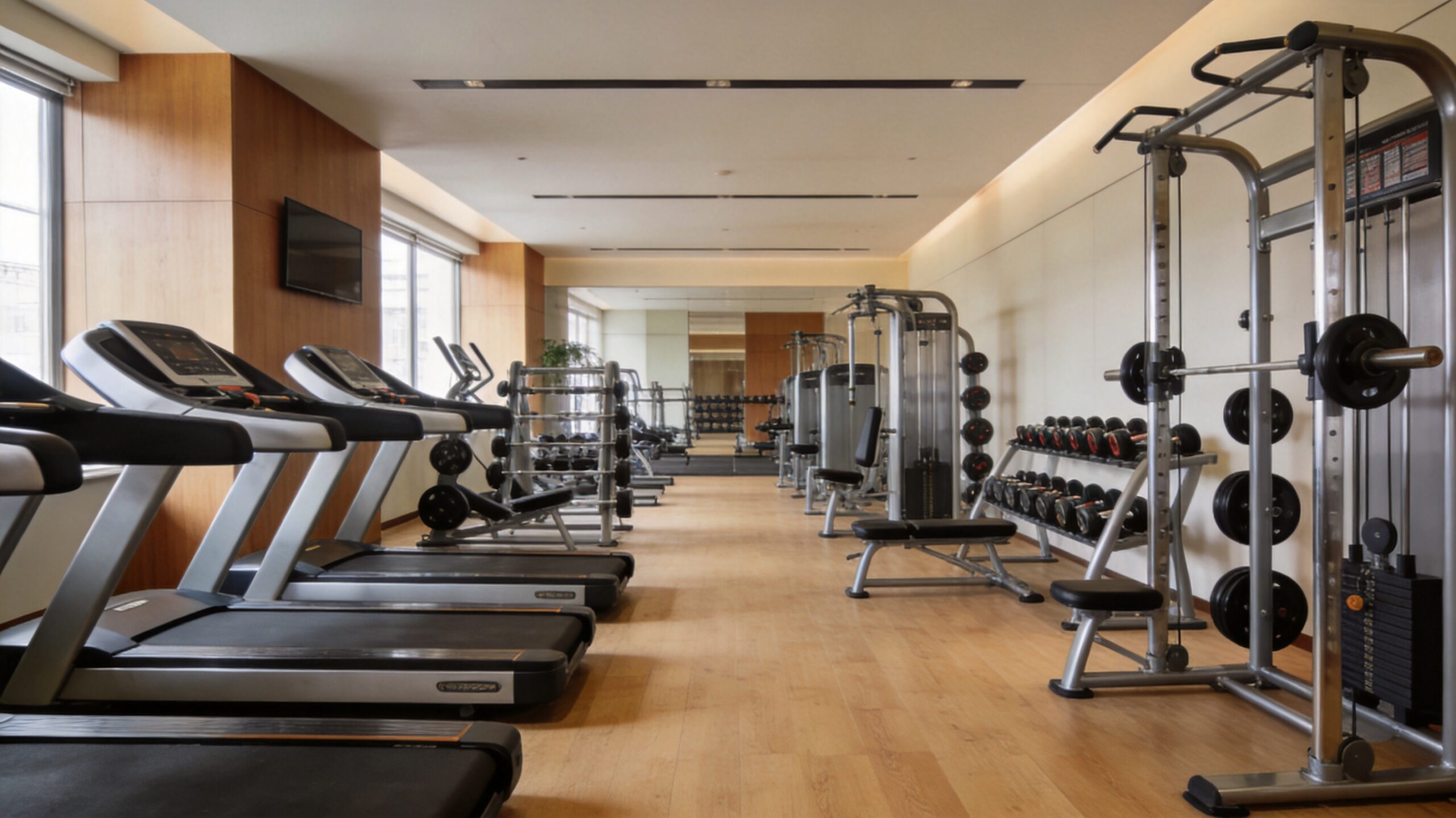
Choosing the right equipment is essential for any gym aiming to enhance efficiency and member satisfaction. In a competitive fitness industry, having the appropriate wholesale fitness equipment can truly distinguish your facility. With a multitude of options available, understanding how to select the right equipment tailored to your gym’s specific needs is crucial. Let’s delve into the key factors to consider when choosing wholesale fitness equipment and how to source it effectively.
Understanding Your Gym’s Needs
Before diving into the selection process, it’s vital to assess your gym’s unique requirements.
Assessing Member Demographics
Understanding your member demographics is a foundational step. Are you catering to seasoned athletes, casual gym-goers, or specialized groups like seniors or rehabilitation patients? Each demographic has distinct fitness needs, which will influence the types of equipment you should prioritize. In my experience, knowing your audience helps in curating a more engaging fitness environment.
Identifying Popular Equipment Types
Once you have a clear picture of your members, identify the most popular types of equipment that align with their interests. Cardio machines, strength training equipment, and functional training tools often see high demand. Researching fitness trends can ensure that you are offering the equipment your members crave.
Evaluating Space and Layout Requirements
The layout of your gym is another critical factor. Evaluate your available space and determine how much room you can allocate for different types of equipment. Consider the flow of traffic to avoid overcrowding. A well-planned layout not only enhances the member experience but also improves overall efficiency.
Key Specifications to Consider
When selecting wholesale fitness equipment, several specifications should be at the forefront of your decision-making.
Durability and Quality Standards
Durability is paramount in a gym environment where equipment faces constant use. I recommend looking for equipment that meets high-quality standards and is built to withstand daily wear and tear. Research the materials used and read reviews or case studies from other gym owners to ensure you’re making informed choices.
Safety Features and Compliance
Safety should always be a top priority. Ensure that the equipment complies with industry safety standards and includes features like emergency stop buttons, non-slip surfaces, and adjustable settings for various user sizes. This is non-negotiable in my opinion, as the safety of your members is paramount.
Warranty and Maintenance Options
Consider the warranty and maintenance options offered by suppliers. A solid warranty can protect your investment, while maintenance packages can help keep your equipment in optimal condition, ultimately reducing downtime and repair costs.
Sourcing Wholesale Fitness Equipment
Finding the right suppliers for fitness equipment is crucial for securing high-quality products at competitive prices.
Researching Fitness Equipment Suppliers
Start by researching reputable fitness equipment suppliers. Look for companies with a solid track record, positive reviews, and a wide range of products. Attending trade shows or industry events can provide valuable opportunities to meet suppliers and explore their offerings firsthand.
Evaluating Gym Equipment Wholesalers
Not all wholesalers are created equal. Evaluate their inventory, customer service, and delivery options. A wholesaler specializing in gym equipment may offer better insights and tailored services compared to general suppliers.
Comparing Pricing and Bulk Discounts
Price comparison is essential when sourcing wholesale fitness equipment. Request quotes from multiple suppliers and inquire about bulk discounts. Many wholesalers offer reduced prices for larger orders, which can significantly lower your overall costs.
Use Cases for Different Equipment
Understanding the specific use cases for various types of equipment can aid in making informed decisions.
Cardio Machines for High Traffic
Cardio machines like treadmills and ellipticals are often the most utilized equipment in a gym. Investing in high-quality, durable machines that can handle high traffic is key. Features that appeal to a broad audience, such as built-in workout programs and connectivity options, can enhance user experience.
Strength Training Equipment for Diverse Needs
Strength training equipment should cater to a wide range of fitness levels. I suggest considering versatile machines that allow for multiple exercises or free weights that can be adjusted according to the user’s ability.
Specialty Equipment for Niche Markets
If your gym targets niche markets, such as CrossFit enthusiasts or rehabilitation clients, investing in specialty equipment like kettlebells, resistance bands, or stability balls can help attract and retain specific member groups.
Implementation Strategies
Once you have sourced your equipment, implementing it effectively is key to maximizing its benefits.
Planning Delivery and Installation
Coordinate with your suppliers to plan the delivery and installation of your new equipment. Proper installation is crucial for safety and functionality, so consider hiring professionals if necessary.
Staff Training on New Equipment
Ensure that your staff is well-trained on the new equipment. This not only helps them assist members more effectively but also enhances safety and user experience.
Marketing New Equipment to Members
Finally, don’t forget to market your new equipment to your members. Use newsletters, social media, and in-gym signage to highlight the benefits and features of the new additions to your facility.
Frequently Asked Questions
What to Look for in a Supplier?
Seek suppliers with a strong reputation, a wide range of quality products, and excellent customer service. Reviews from other gym owners can provide valuable insights.
How to Negotiate Prices?
Don’t hesitate to negotiate prices with suppliers. Discuss bulk order discounts and be prepared to walk away if the terms don’t meet your budget.
What Are the Best Practices for Maintenance?
Establish a regular maintenance schedule for all equipment, train staff on proper use, and keep a log of repairs and services to ensure longevity.
Conclusion
Choosing the right wholesale fitness equipment for your gym is a multifaceted process that requires careful consideration of your gym’s needs, equipment specifications, and supplier relationships. By following the outlined strategies, you can maximize efficiency, enhance member satisfaction, and ultimately drive your gym’s success. Investing time in research and planning will pay off in the long run, ensuring that your facility remains competitive in the ever-evolving fitness landscape.