
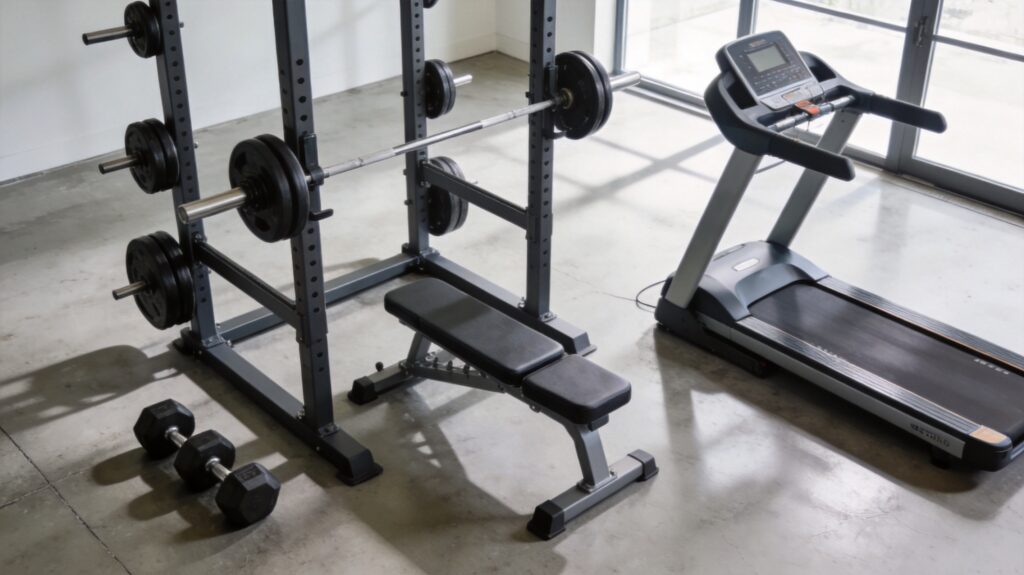
The Essential Guide to Durable Home Gym Equipment for Fitness Trainers
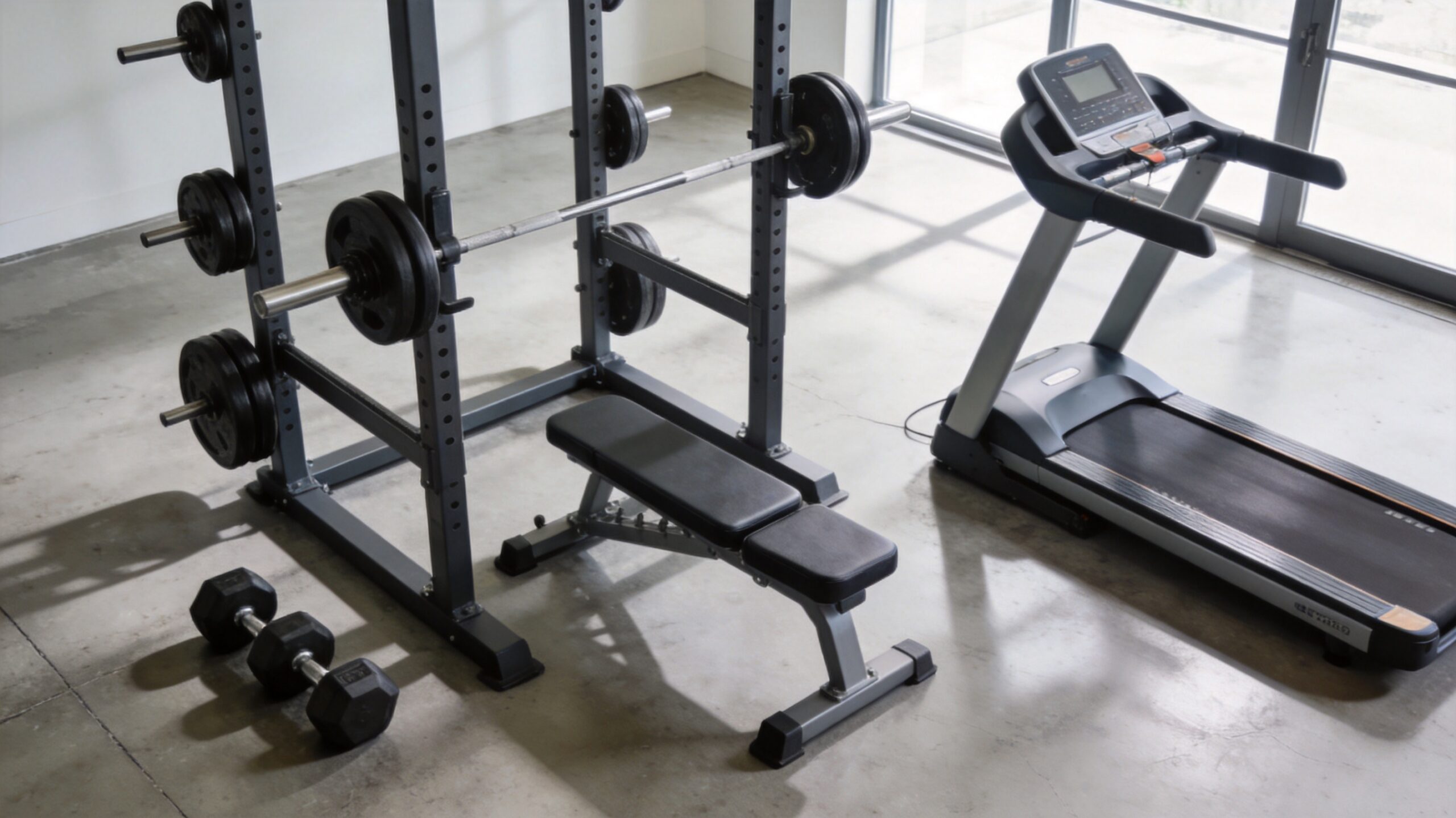
In recent years, the demand for home gym equipment has skyrocketed, fueled by an increasing focus on fitness and wellness. Home gyms provide unparalleled convenience and flexibility, allowing individuals to work out on their own terms. For fitness trainers, grasping the significance of durable equipment is essential. Not only does durable fitness equipment enhance the training experience for clients, but it also represents a wise investment for trainers aiming to build a long-lasting professional setup.
This guide will explore the critical elements of durable home gym equipment, focusing on what fitness trainers need to know to make informed choices.
Key Specifications of Durable Fitness Equipment
When selecting fitness equipment for personal trainers, several key specifications must be taken into account to ensure durability and effectiveness.
Material Quality and Longevity
The materials used in home gym equipment significantly impact its lifespan. In my experience, equipment constructed with high-quality steel frames, rust-resistant coatings, and durable plastics is essential for long-lasting performance. Equipment made from premium materials can endure rigorous usage, making it a worthwhile investment for trainers.
Weight Capacity and Stability
Durable fitness equipment must support a variety of weight capacities to accommodate clients of all sizes. Stability is equally crucial; equipment should remain secure during intense workouts to avoid injuries. I believe trainers should prioritize equipment that meets industry standards for both weight capacity and stability.
Safety Features and Certifications
Safety should never be compromised. Look for equipment that includes essential safety features like non-slip surfaces, secure locking mechanisms, and emergency stop buttons on cardio machines. Additionally, equipment certified by recognized organizations ensures adherence to safety standards, providing peace of mind for trainers and clients alike.
Types of Home Gym Equipment
A comprehensive home gym should encompass a variety of equipment to cater to different fitness needs.
Cardio Machines
Cardio machines, such as treadmills, stationary bikes, and ellipticals, are indispensable for aerobic training. Durable models can handle extensive use and deliver consistent performance, making them ideal for trainers with multiple clients.
Strength Training Equipment
Strength training equipment, including free weights, resistance bands, and weight machines, is vital for muscle building. I recommend looking for equipment that offers adjustable weight settings and ergonomic designs to accommodate various training levels.
Flexibility and Recovery Tools
Incorporating flexibility and recovery tools, such as foam rollers and stretching bands, is essential for a holistic fitness program. Durable recovery tools can significantly enhance client recovery and improve overall performance.
Use Cases for Fitness Trainers
Understanding how to effectively utilize home gym equipment can greatly enhance a trainer’s service offerings.
Training Clients at Home
Trainers can conduct personalized sessions in clients’ homes, utilizing their existing equipment. This flexibility allows trainers to tailor workouts to individual needs, fostering a more customized experience.
Group Training Sessions
Durable fitness equipment is essential for group training sessions, where multiple clients may use the same equipment simultaneously. Trainers can create dynamic and engaging workouts that encourage camaraderie among participants.
Personalizing Client Programs
With an array of durable equipment at their disposal, trainers can design tailored fitness programs that address specific client goals, whether it’s weight loss, muscle gain, or enhanced endurance.
Comparing Popular Durable Fitness Equipment Brands
When investing in home gym equipment, comparing brands can empower trainers to make informed decisions.
Brand A vs. Brand B
Consider evaluating well-known brands that specialize in durable fitness equipment. Focus on their product ranges, emphasizing material quality, design, and customer service.
Price vs. Quality Analysis
While price is a significant factor, it should not overshadow quality. Trainers should strive for a balance between affordability and durability, ensuring they invest in equipment that stands the test of time.
Customer Reviews and Feedback
Reading customer reviews can provide valuable insights into the performance and durability of fitness equipment. Trainers should prioritize brands with positive feedback regarding their products’ longevity and effectiveness.
Sourcing Durable Home Gym Equipment
Finding reliable suppliers is essential for acquiring high-quality home gym equipment.
Where to Buy
Trainers can source equipment from various outlets, including specialty fitness stores, online retailers, and manufacturer websites. Each option has its benefits, such as convenience or the ability to test equipment before purchase.
Evaluating Suppliers
When selecting suppliers, trainers should consider factors such as reputation, customer service, and return policies. Reliable suppliers often provide warranties and support, ensuring trainers can address any issues that may arise.
Bulk Purchase Options
For trainers working with multiple clients or setting up a gym, exploring bulk purchase options can lead to significant savings. Many suppliers offer discounts for large orders, making it easier to equip a home gym affordably.
Implementation Strategies for Home Gyms
Successfully establishing a home gym requires careful planning and execution.
Space Planning and Layout
Trainers should assess the available space and design a layout that maximizes functionality. Ensuring enough room for movement and equipment is crucial for creating a safe and effective workout environment.
Equipment Maintenance Tips
Regular maintenance of fitness equipment extends its lifespan. Trainers should familiarize themselves with proper cleaning and maintenance procedures to keep equipment in optimal condition.
Client Engagement Techniques
Engaging clients effectively can enhance their workout experience. Trainers can employ various techniques, such as setting goals, tracking progress, and offering incentives, to keep clients motivated and committed.
Frequently Asked Questions
What to Look for in Durable Equipment?
Focus on material quality, weight capacity, stability, and safety features when selecting durable equipment.
How to Choose the Right Equipment for Clients?
Consider clients’ fitness levels, goals, and preferences to select equipment that meets their needs.
Warranty and Support Considerations
Always check warranty details and after-sales support when purchasing equipment to ensure long-term satisfaction.
Conclusion
Durable home gym equipment is a crucial investment for fitness trainers looking to provide high-quality services to their clients. By understanding key specifications, exploring various equipment types, and implementing effective strategies, trainers can create an engaging and effective training environment. With the right tools and knowledge, trainers can elevate their practice and help clients achieve their fitness goals.