
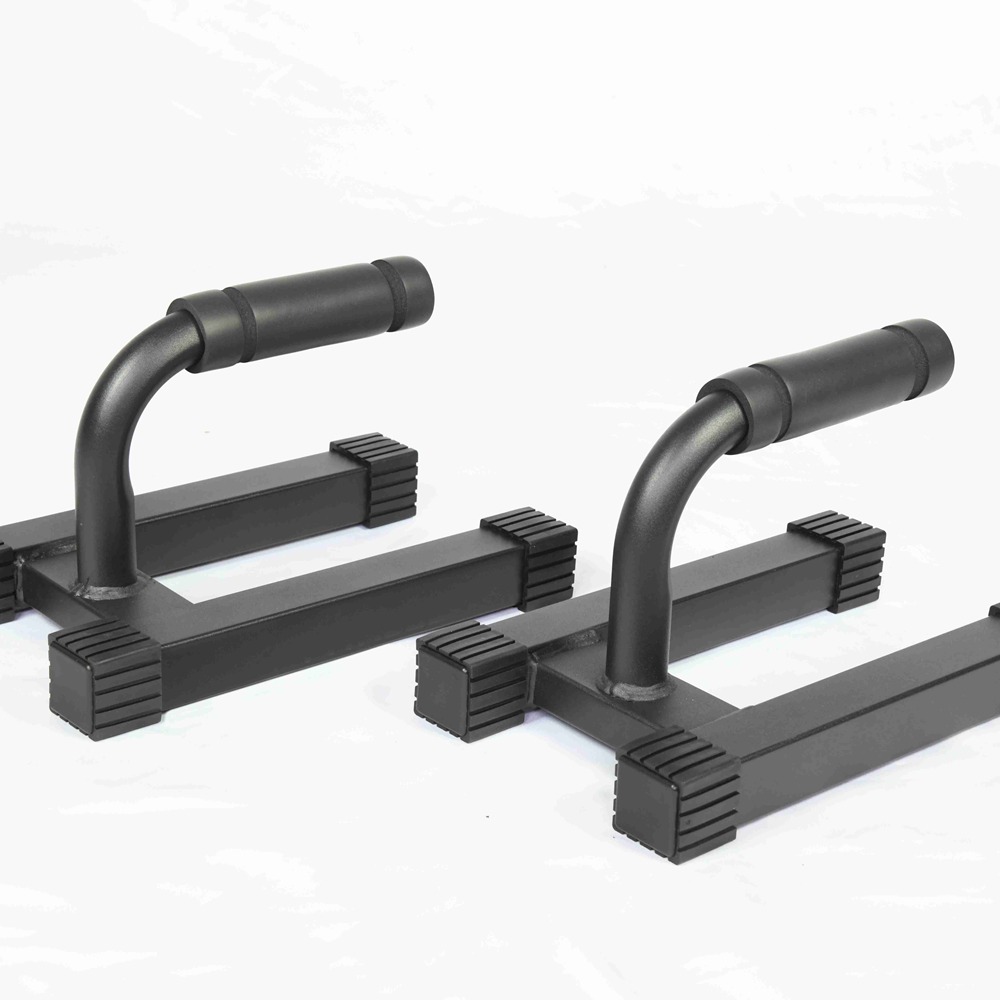
Define the quoted unit before comparing push-up frame prices: one individual frame, a two-frame pair, a complete retail set and an outer carton need separate names. Pride’s H-shaped page uses a carton heading containing “Sets”, while its pin-type page includes the literal entry “4 PCS (16.5KG)”. Keep both source labels visible and ask the supplier to reconcile their meanings. A photograph showing two frames does not settle how the price or carton count is calculated.
Start with the exact frame reference
Use the product link, catalogue photograph and selected version as the first columns of the enquiry. The H-shaped steel pipe push-up frame is not the same listed item as the pin-type black frame or the square-tube set with red foot covers. Their commercial units should be answered separately even if the buyer intends to sell all three through one channel.
Create a short reference code for each requested line and keep it beside every supplier response. A code identifies a purchasing line; it does not replace the supplier’s actual model description. If the supplier offers an alternative, add a separate line rather than changing the photograph while leaving the original quotation description in place.
• Exact catalogue reference and selected configuration.
• Supplier’s original piece, set and carton wording.
• Written selling-unit contents and unresolved inclusions.
Keep the original carton wording beside the question
The reviewed H-shaped listing gives “Quantity per Carton (Sets): 12 (25.7KG)”. The pin-type black listing gives the same heading with “4 PCS (16.5KG)”, and the red-cover set lists “1”. These are recorded catalogue entries, not three confirmed packing instructions. The mixed wording is a reason to request clarification rather than silently standardising every number into pairs.
Ask which object the count refers to and what the weight entry covers. Keep the supplier’s original answer in a source column, followed by an agreed interpretation column. Do not use the published weights to reverse-engineer a carton quantity: that would introduce assumptions about inner packing, accessories and the basis of the listed weight.
Record field
Buyer clarification
Keep separate
Individual frame
Does one piece mean one complete frame?
A displayed two-frame arrangement
Pair or retail set
Which frames and other items form one selling unit?
A loose accessory or unconfirmed inclusion
Outer carton
How many agreed selling units are packed?
The heading Sets and literal PCS
Weight basis
Which unit and packing level does the figure describe?
Unverified freight calculations
Write a contents line for the selling unit
Ask for a short contents line describing the unit offered at the quoted price. It can identify the number of complete frames and any separately supplied items. Each inclusion must come from the supplier’s response; visible pins, knobs, grips or foot covers in a photograph are not a complete declaration of loose or spare parts supplied.
If the offer is for a pair, make the relationship explicit in words. If it is for individual frames, retain that distinction in the requested quantity. Record optional items separately with their own quantity basis. This prevents a buyer from comparing a complete selling unit on one line with a partial component offer on another.
Compare prices only after the unit is reconciled
Place the supplier’s price beside the written unit definition and its revision. A lower numerical price cannot be evaluated until the buyer knows whether the same contents and quantity basis are being offered. Leave price and commercial terms unanswered in the buyer’s worksheet until the supplier supplies them; this guide does not establish an available price, minimum order or lead time.
Where quotations need a common comparison basis, ask the responsible purchasing parties to confirm the conversion between an individual frame and an agreed selling unit. Preserve the original supplier figures and the calculation separately. Do not alter the source entry or imply that a pair count has been confirmed simply because that format is convenient for a spreadsheet.
Reconcile the sample pack with the written unit
Request a labelled sample pack linked to the same purchasing reference. The receiving record should list what was actually received and identify any difference from the agreed contents. A sample may answer a specific contents question, but it does not establish every future carton’s quantity or verify a product performance claim.
Distinguish the contents of the sample shipment from the proposed retail unit. A sample carton may contain several references for review. Keep each product line and its loose items associated with the correct description rather than treating everything in the parcel as the normal supplied set.
Carry the accepted definition into order documents
After the supplier has answered the open questions, retain the accepted unit description with the order reference and date. Use the same wording in the purchase line, packing schedule and receiving checklist. Ask for a revised response if the model, number of frames, accessory scope or packing arrangement changes.
Send the unresolved unit questions through Pride contact with the exact product links. The Pride sourcing blog can provide other reference topics, but a general equipment guide is not a substitute for the current supplier-confirmed commercial unit. Keep unanswered fields visibly open until the responsible parties agree on them.
Frequently asked questions
Does a photograph of two frames mean the price is per pair?
No. Record what is displayed, then ask the supplier to define the priced unit and its contents in writing. The commercial unit cannot be established from the photograph alone.
Should the heading Sets override a literal PCS entry?
Keep both as source wording and ask for their intended meaning for the exact model. Do not silently rewrite the original entry into a confirmed pair or carton quantity.
Can listed weights be used to calculate the number of retail sets?
Not without a confirmed unit and weight basis. Preserve the published figures as clarification inputs rather than deriving an assumed packing configuration.
Does this sheet confirm supplied spare pins or foot covers?
No. A separate inclusion or spare-part line needs a supplier response. Visible components and catalogue wording do not by themselves confirm separately supplied parts.
Product and contact references
https://prdsports.com/product/h-shaped-steel-pipe-push-up-frame/
https://prdsports.com/contact/
https://prdsports.com/blog/