
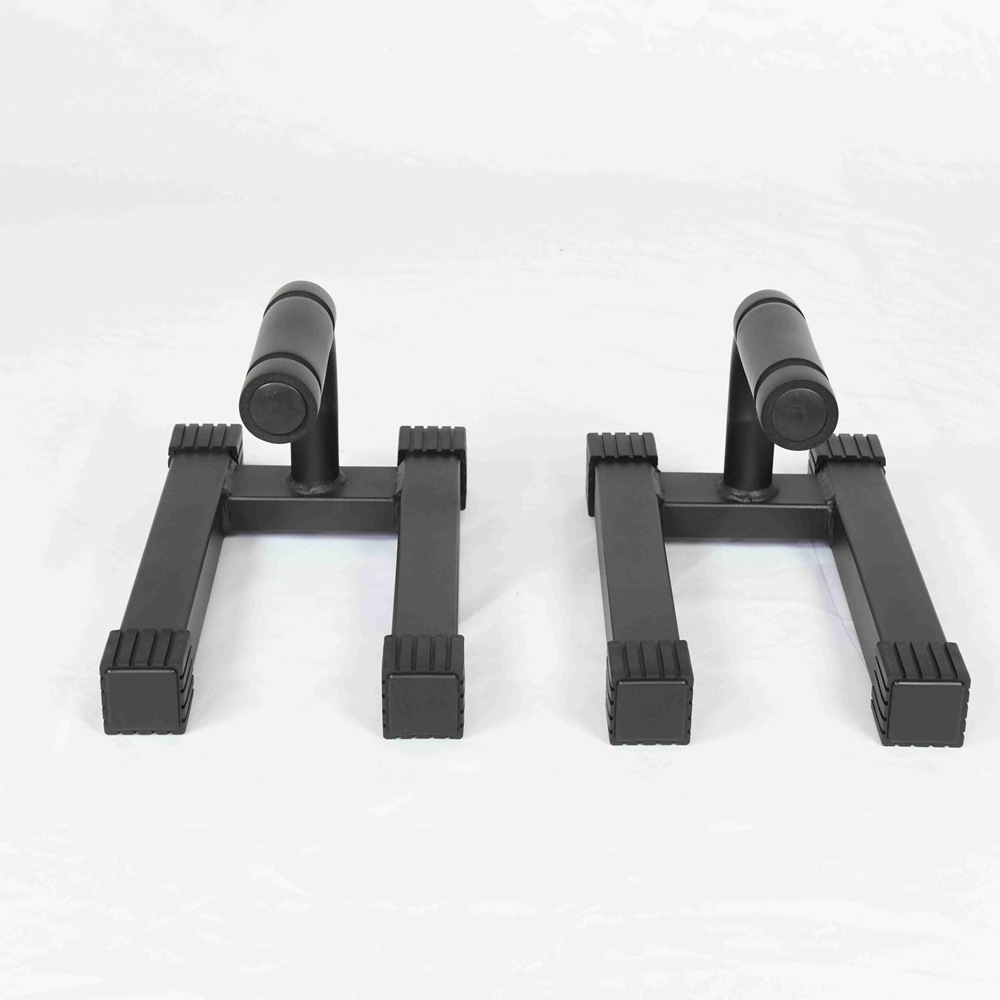
A carton quantity becomes meaningful only after the supplier identifies the complete selling configuration being counted. For an H-frame enquiry, first establish what the actual offer calls a complete unit, pair, set or another configuration, and whether a named outer pack is offered. Then ask for the supplier-declared count of that defined configuration per pack. Do not turn a component-piece count into a complete-set count by assumption.
Identify the exact H-frame offer
Use the official H-shaped steel-pipe push-up-frame product page to identify the catalogue product behind the enquiry. Keep the supplier’s offer reference and version with that identity. The catalogue name and photograph do not establish that a pair or set is the selling configuration, that an outer carton is quoted or that a particular quantity belongs in one pack.
https://prdsports.com/product/h-shaped-steel-pipe-push-up-frame/
Ask the supplier to define the complete selling configuration in its own terms. If it expressly quotes a pair or set, retain that description and the applicable reference. If it uses another configuration, preserve that wording instead. Keep “pair or set not quoted” separate from a missing count; the buyer cannot establish a complete-set packing basis before the supplier defines what constitutes the complete offered configuration.
Confirm that an outer pack is offered
Ask whether the quotation includes an outer carton or another specifically named outer pack for that configuration. If none is offered, retain that answer. If the reply gives only a generic packing reference without naming the covered pack, keep the level unconfirmed. A product presentation does not establish the existence, contents or commercial availability of a particular packing arrangement.
The product’s selling unit and the outer-pack count require separate correspondence. A quotation may identify the commercial unit while leaving packing unstated. Conversely, a packing statement may use a unit term that has not been connected to the selling configuration. Ask the supplier to identify that relationship without transferring a price-unit label into the pack-count field automatically.
Keep complete configurations separate from pieces
Only after both prerequisites are identified should the buyer request the declared number of complete configurations per named pack. Preserve the supplier’s count term and its reference. If the reply says “pieces” without defining whether it means complete selling units or components, record the wording and keep the correspondence open. Do not convert it into pairs or sets using the product photograph.
For example, a supplier could identify a complete-set offer and provide a packing statement that still refers only to pieces. The buyer can retain both source statements while asking which counted object the packing term identifies. Neither the presence of a set description elsewhere nor a visual arrangement of frames resolves that question. The missing information is the supplier’s explicit counting basis.
Attribute the packing statement
Request the applicable packing reference and revision where one is supplied. Keep the statement connected to the exact H-frame offer version and the supplier-defined complete configuration. If a reference covers another item or an earlier offer, retain its original scope until the supplier identifies its applicability to the present proposal. A familiar packing document should not be carried forward without that correspondence.
Separate a declared complete-unit count from loose accessories, components and other contents. Their presence in a related supply list does not establish that they belong to the counted object. Ask which complete configuration the count covers rather than creating a buyer-defined set by collecting separately mentioned items. This record identifies a supplier declaration; it does not reconstruct one.
Use a pack-count basis record
The following fields keep the pack count dependent on the definitions that make it interpretable. Populate them with actual supplier wording or an explicit unresolved status. The table does not supply a pair, a pack or a numerical quantity.
| Record field | Supplier evidence to retain | Status when unresolved |
| — | — | — |
| H-frame offer | Exact item and version reference | Offer version unconfirmed |
| Complete configuration | Express selling-unit, pair, set or other definition | Configuration not defined |
| Outer pack | Specifically offered pack and reference | Pack not offered or unnamed |
| Count declaration | Literal count and counted-object wording | Count not declared |
| Correspondence | Complete configuration versus component-piece scope | Unit relationship unconfirmed |
| Attribution | Applicable packing revision and reply | Awaiting clarification |
Keep each clarification linked to its source statement. A later reply can explain the meaning of a count without confirming the pack reference, or identify a pack without resolving the counted object. Preserve those partial outcomes separately. A single “packing confirmed” label would conceal the remaining question and encourage another purchasing colleague to treat an incomplete relationship as settled.
Control revised configurations
If the supplier changes the selling configuration or outer-pack reference, ask whether the existing count statement still applies. Retain the earlier declaration against its original configuration and revision until the new correspondence is provided. An unchanged H-frame catalogue title does not establish continuity of a pack count across amended commercial or packing descriptions.
The count declaration also does not establish pack dimensions, material, weight, pallet quantity or a logistics calculation. It does not imply a packing service, protection result, availability or safe handling conclusion. Keep the record focused on the named counted object and the supplier’s stated pack relationship, leaving other commercial and technical questions outside that statement’s scope.
Frequently asked questions
Does the H-frame photograph establish that a pair is supplied?
No. Ask the supplier to define the actual selling configuration for the offer. Record a pair or set only when expressly quoted. The catalogue presentation identifies the product but does not supply a complete configuration or its pack-count basis.
Can a piece count be converted into a complete-set count?
Do not derive that relationship from appearance or convention. Retain the supplier’s literal piece wording and ask what object it counts. The complete configuration and packing statement need an express correspondence before the buyer can describe the count as complete sets.
Does a selling-price unit establish the outer-carton quantity?
Keep the questions separate. A commercial unit can identify the quoted selling basis without declaring packing contents. Ask for the named outer pack and its supplier-stated count of complete configurations, with the applicable reference and revision.
What closes a pack-count correspondence gap?
An attributable supplier reply linking the defined complete configuration, the named offered pack and its stated count can close that particular gap. Other missing fields remain open. The reply does not establish pack performance, logistics suitability or a supply-service guarantee.
Send the exact H-frame offer and any actual packing statement with the unresolved counted-object or pack-reference questions identified. Request the supplier’s applicable declaration for that configuration.
https://prdsports.com/contact/
Retain the response with the relevant offer revision. Related purchasing articles can support further correspondence while each packing statement remains tied to its own supplier evidence.
https://prdsports.com/blog/