
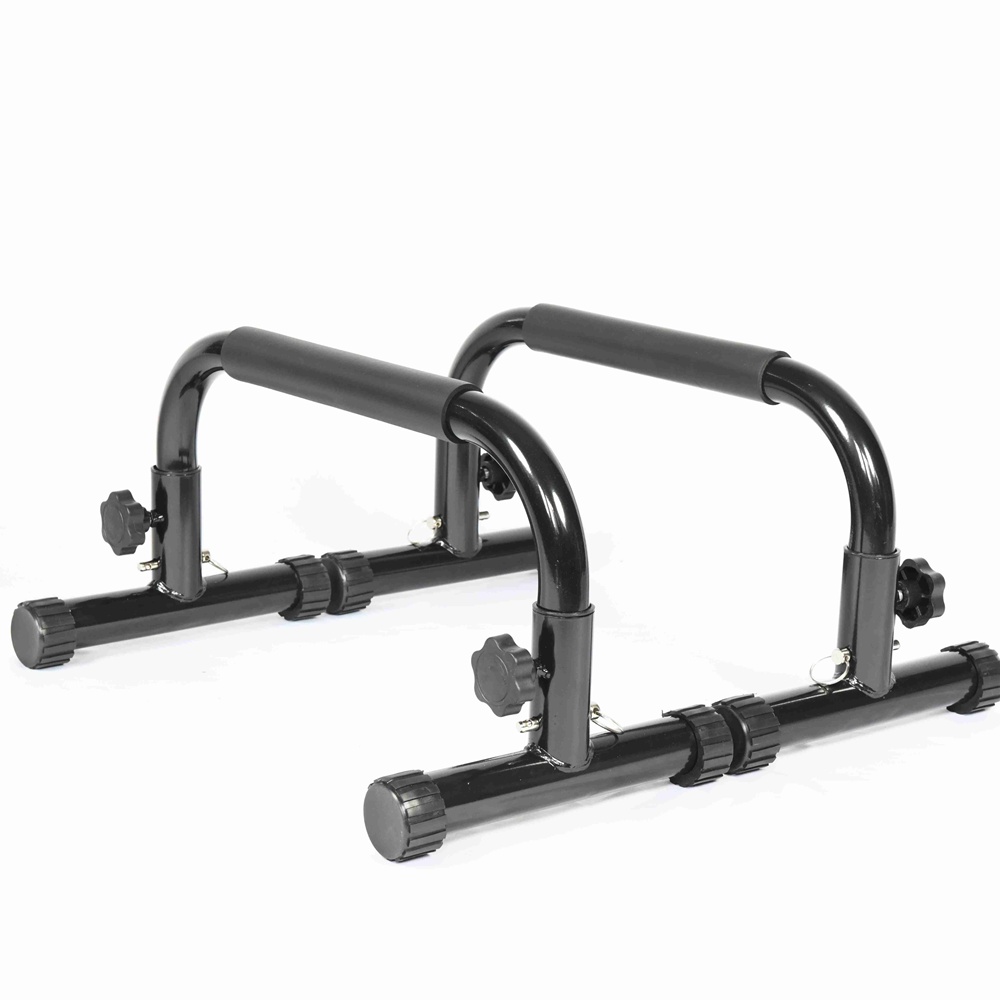
A repeat-order enquiry should establish pin-reference continuity without assuming that the proposed pin configuration is unchanged. Begin with an actually identified prior order and the supplier’s proposed repeat offer for the selected pin-type black frame. Ask the supplier to identify the pin components associated with each reference, then request its express statement about their revision relationship. An unchanged product title is not that statement.
Identify the prior and proposed offers
Use the official pin-type black push-up-frame page to anchor the product identity for the discussion. Keep the named prior-order reference separate from the current repeat-offer reference and version. The catalogue identity does not establish which pin configuration was supplied previously or what the supplier proposes now. Those relationships need attributable supplier identification before continuity can be recorded.
https://prdsports.com/product/new-steel-pipe-pin-type-black-push-up-frame/
If the buyer has a previous commercial quotation but no identified prior pin reference, keep “prior pin unidentified.” A quotation document can identify a transaction discussion without identifying the physical component configuration supplied under an order. Ask the supplier for the relevant component correspondence rather than treating an unchanged quotation heading as proof that the pin revision remains the same.
Name the actual component references
Ask the supplier to identify the pin configuration it associates with the actual prior order and the pin configuration proposed for the repeat offer. Preserve its literal component identifiers and reference revisions where supplied. Do not add an assumed component number or describe another pin mentioned elsewhere as the relevant item. Each reference needs an explicit relationship to the selected frame configuration.
When the reply identifies only one side of the comparison, record that partial result. A proposed pin reference can be known while the prior supplied configuration remains unresolved. Likewise, the prior component can be identified while the repeat proposal is still unspecified. Keep the two statuses separate so the next question asks for the missing relationship rather than a general assurance of continuity.
Request the supplier’s revision declaration
Only for the identified components should the buyer ask whether the supplier expressly declares the same revision, a named changed revision or unresolved correspondence. Retain the actual answer and its source. Silence about a change is not an express same-revision declaration. A general statement about the frame family does not settle the relationship between the particular component references.
If a change is declared, request the supplier’s attributable before-and-after references and the configuration scope it says is affected. Record only the named change and its stated applicability. Do not infer that every pin, frame version or earlier order has changed. A narrow declaration should remain narrow, with any other component or offer correspondence left open until addressed.
Separate component continuity from commercial revisions
A revised quotation number can identify a new commercial document without establishing a changed pin configuration. Conversely, an unchanged quotation heading does not establish an unchanged component. Keep the commercial reference, component identifier and revision statement in separate fields. The purchasing question is how the supplier relates the actual prior pin to the proposed repeat component, not whether document titles look similar.
For example, a supplier may cite a new component reference in the repeat offer without explaining whether it represents a changed revision or a different naming convention. Preserve the new reference and the prior identified component, then ask for their stated relationship. Do not classify them as equivalent, substituted or redesigned until the supplier supplies its actual declaration of the correspondence.
Use a reorder continuity record
The following fields make the evidence gaps visible without inventing component details. Populate them with supplier-provided references or a specific unresolved status. The table does not assume that a change, a spare-part offer or a substitution exists.
| Record field | Supplier information to retain | Open status |
| — | — | — |
| Prior order | Actual order and frame configuration reference | Prior scope unidentified |
| Prior pin | Component identifier and revision if supplied | Prior pin unidentified |
| Repeat offer | Proposed order and frame version reference | Proposal scope unconfirmed |
| Proposed pin | Supplier-identified component and revision | Proposed pin unspecified |
| Relationship | Express same, changed or unresolved declaration | Correspondence unconfirmed |
| Change attribution | Declared affected configuration and source | Change scope not stated |
Keep the reply supporting each relationship. If a later message clarifies the revision statement, retain the earlier references and identify the added explanation. A consolidated purchasing record can collect this evidence without becoming a new technical declaration attributed to the supplier. Unanswered references should remain visible instead of being absorbed into a broad “reorder confirmed” status.
Preserve the limits of a revision answer
A supplier’s same-revision statement does not establish fitting compatibility, interchangeability, tolerance, retained condition or load performance. A changed-revision statement does not establish redesign permission, buyer acceptance or an available replacement service. Keep those conclusions outside the record. The current task identifies the supplier’s declared component-reference relationship and the scope to which that declaration applies.
When the repeat offer is revised again, ask whether the existing continuity statement still applies to that proposal. Keep the earlier statement attached to its own references until the supplier identifies the new correspondence. This avoids carrying a useful answer beyond the frame configuration or component version it actually described, without requiring a buyer-created account of the physical design.
Frequently asked questions
Does the same catalogue title establish the same pin revision?
No. Use the page for product identification, then request the supplier’s component references for the actual prior order and proposed repeat offer. The title alone does not identify either pin configuration or their declared revision relationship.
What if only the proposed pin reference is supplied?
Record that reference and keep the prior pin unidentified. Ask the supplier to identify the component associated with the named prior order. A known proposed reference cannot establish continuity until the supplier provides the missing prior correspondence and its relationship statement.
Does a different component reference prove a design change?
Retain the references without assigning that meaning. Ask whether the supplier declares the same revision, a named changed revision or an unresolved relationship. A different identifier could remain unexplained; the buyer should not invent an equivalence or change classification.
What should accompany an express change declaration?
Request attributable before-and-after component references and the frame configuration scope the supplier says is affected. Keep omitted relationships open. The declaration does not itself establish accepted substitution, fit, safety, legal rights or a repair-service offer.
Send the actual prior-order reference and proposed repeat offer with the component correspondence questions identified. Ask for the supplier’s revision declaration for those named references.
https://prdsports.com/contact/
Retain the reply with the applicable proposal version. The company’s article index can support related purchasing discussions while each continuity statement remains attributed to its own supplier evidence.
https://prdsports.com/blog/