
How to Choose the Best Pull-up Bars for Your Commercial Gym
When it comes to outfitting a commercial gym, selecting the right pull-up bars is crucial for attracting and retaining members. Among the various pieces of equipment, pull-up bars stand out as an essential tool for strength training. They not only enhance upper body strength but also cater to a broad range of fitness levels. In this article, we will explore how to choose the best pull-up bars for your commercial gym supplies, ensuring you make an informed decision that meets the needs of your clientele.
Understanding Pull-up Bar Types
When selecting a pull-up bar, understanding the different types available is fundamental.
Fixed vs. Adjustable Pull-up Bars
Fixed pull-up bars are set at a specific height and width, providing stability and reliability. They are ideal for gyms with designated workout areas. On the other hand, adjustable pull-up bars offer flexibility in height and grip positions, catering to users of various sizes and preferences. This adaptability can enhance user experience, especially in a commercial setting where diverse clientele is common.
Wall-mounted vs. Freestanding Options
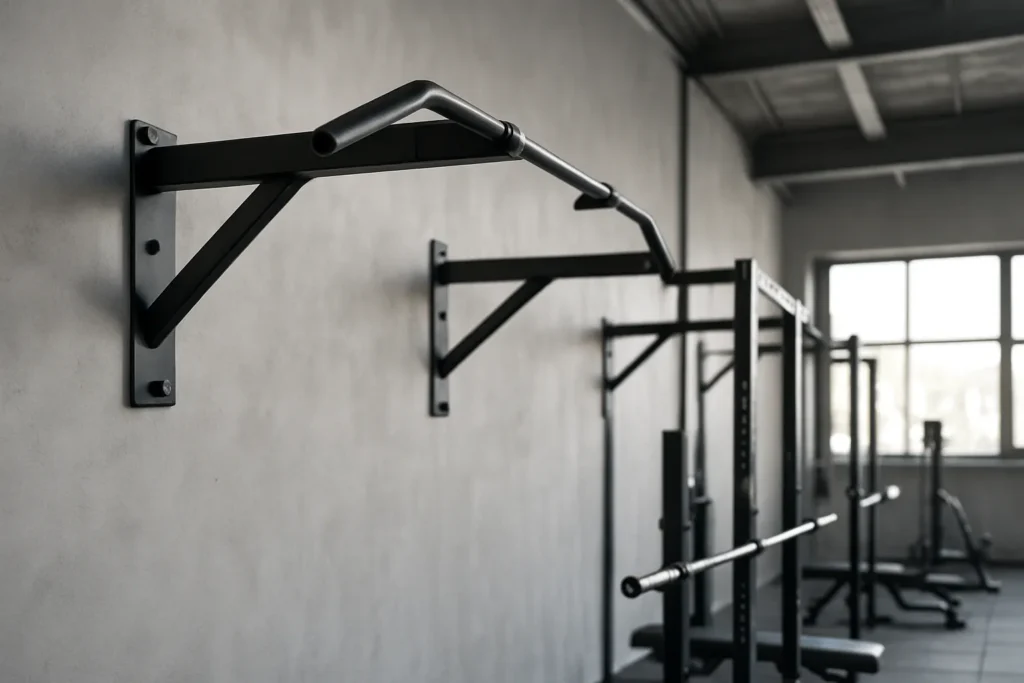
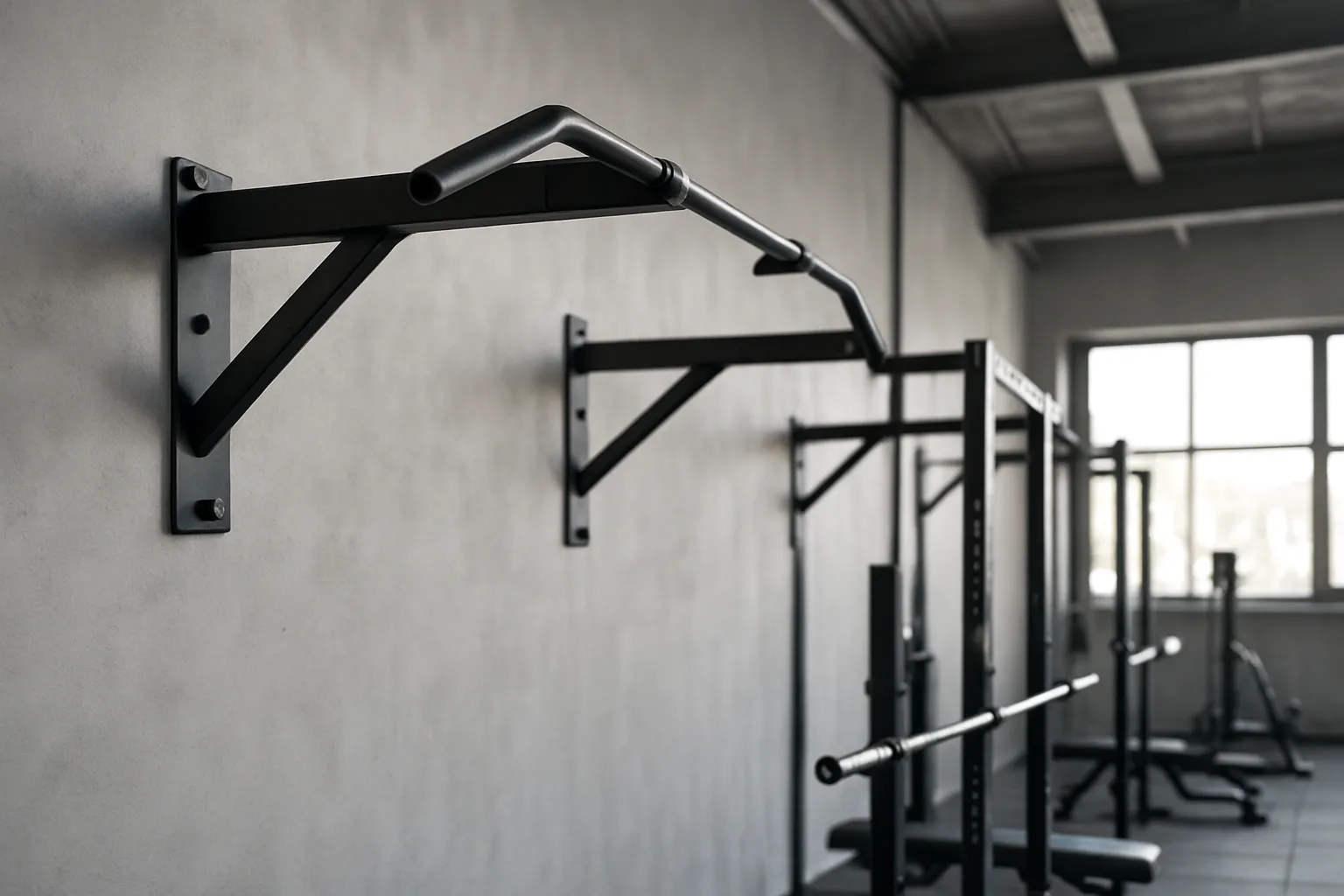
Wall-mounted pull-up bars are affixed to a wall, saving floor space and providing a sturdy base for workouts. They are perfect for smaller gyms or studios. Conversely, freestanding pull-up bars can be moved around and are often designed to accommodate various exercises. They can be an excellent choice for gyms that host group classes or personal training sessions.
Multi-functional Pull-up Bars
Multi-functional pull-up bars combine several workout capabilities, allowing users to perform various exercises beyond pull-ups, such as dips and leg raises. These versatile options can maximize the use of space and cater to a broader audience, making them an appealing choice for commercial gyms.
Key Specifications to Consider
When evaluating pull-up bars, several specifications should guide your decision.
Weight Capacity
One of the most critical factors is the weight capacity of the pull-up bar. Ensure that the bar can support a range of users, including those who may weigh more than average. A higher weight capacity ensures safety and durability, which is especially important in a commercial environment.
Material Quality
The material quality of the pull-up bar affects its longevity and user experience. Look for bars made from high-grade steel or other durable materials that can withstand frequent use. Additionally, a non-slip grip is essential for safety during workouts.
Dimensions and Space Requirements
Consider the dimensions of the pull-up bar and the space available in your gym. Ensure that there is enough clearance for users to perform exercises safely without obstruction. Proper space planning is crucial to avoid overcrowding and enhance the overall gym experience.
Use Cases in Commercial Gyms
Understanding how pull-up bars fit into your gym’s offerings can help tailor your equipment choices.
Target Audience and User Demographics
Consider your gym’s target demographic. Are you catering to beginners, seasoned athletes, or a mix of both? This understanding will influence the type of pull-up bars you invest in. For instance, adjustable or multi-functional bars may be more appealing to a diverse audience.
Training Programs and Class Integration
Pull-up bars can be integrated into various training programs, from personal training sessions to group classes. They can be used in circuit training, strength-building classes, and even rehabilitation programs. Having versatile equipment encourages participation and enhances the value of your gym’s offerings.
Versatility for Different Exercises
Pull-up bars are not limited to pull-ups alone; they can be utilized for a variety of exercises, including chin-ups, muscle-ups, and even suspension training. This versatility makes them a valuable addition to any gym, appealing to users looking to diversify their workouts.
Comparing Popular Pull-up Bar Brands
When sourcing pull-up bars, brand reputation plays a significant role.
Brand Reputation and Reviews
Researching different brands can provide insight into their reliability and performance. Look for brands with positive reviews from other gym owners and fitness professionals. This feedback can guide you toward trusted options that have proven successful in commercial environments.
Price Range and Value for Money
While it may be tempting to opt for the cheapest option, consider the long-term value of the equipment. A higher upfront investment in a quality pull-up bar can save money in repairs and replacements down the line. Compare price ranges across brands to find options that fit your budget while still offering quality.
Warranty and Customer Support
A solid warranty and responsive customer support are essential when purchasing gym equipment. Ensure that the brands you consider offer warranties that cover defects and provide reliable customer service for any issues that may arise.
Sourcing and Procurement Strategies
Once you’ve narrowed down your options, focus on effective sourcing strategies.
Finding Reliable Suppliers
Identify suppliers that specialize in commercial gym equipment. Look for those with a good track record and positive feedback from other gym owners. Building a relationship with a reliable supplier can lead to better deals and support.
Bulk Purchase Discounts
Many suppliers offer discounts for bulk purchases, which can significantly reduce your overall costs. Inquire about these options when negotiating with suppliers, especially if you plan to outfit your gym with multiple pull-up bars.
Delivery and Installation Options
Consider suppliers that provide delivery and installation services. Proper installation is crucial for safety and functionality, so choosing a supplier that offers these services can save you time and ensure everything is set up correctly.
Implementation in Your Gym Setup
Once you have chosen the right pull-up bars, consider how to implement them effectively.
Space Planning and Layout Considerations
Plan the layout of your gym to ensure that pull-up bars are easily accessible and fit well within the overall design. Consider traffic flow and how users will move around the equipment to maintain a safe and efficient workout environment.
Safety and Compliance Standards
Ensure that the pull-up bars meet safety and compliance standards set by local regulations. This includes proper installation, maintenance, and user guidelines to prevent accidents and injuries.
Maintenance and Care Tips
Regular maintenance is essential to prolong the life of your pull-up bars. Establish a routine for inspecting the equipment for wear and tear, tightening bolts, and cleaning surfaces to ensure they remain safe and functional for users.
Frequently Asked Questions
How to Install a Pull-up Bar?
Installation can vary based on the type of pull-up bar. Typically, wall-mounted bars require drilling into studs, while freestanding bars may need to be assembled according to the manufacturer’s instructions. Always refer to the installation guide provided.
What is the Best Pull-up Bar for Beginners?
For beginners, an adjustable pull-up bar with a lower weight capacity and multiple grip options is ideal. This allows new users to gradually build strength and confidence.
How to Maintain Pull-up Bars in a Commercial Setting?
Regularly inspect the bars for any signs of wear, clean them to remove sweat and grime, and ensure all bolts and screws are tightened. Keeping a maintenance log can help track inspections and repairs.
Conclusion
Choosing the best pull-up bars for your commercial gym supplies involves careful consideration of types, specifications, and use cases. By understanding your audience and integrating versatile equipment into your training programs, you can enhance the value of your gym offerings. Additionally, sourcing from reliable suppliers and ensuring proper installation and maintenance will contribute to a safe and effective workout environment. Investing in quality pull-up bars not only meets the needs of your members but can also elevate your gym’s reputation in the competitive fitness industry.