
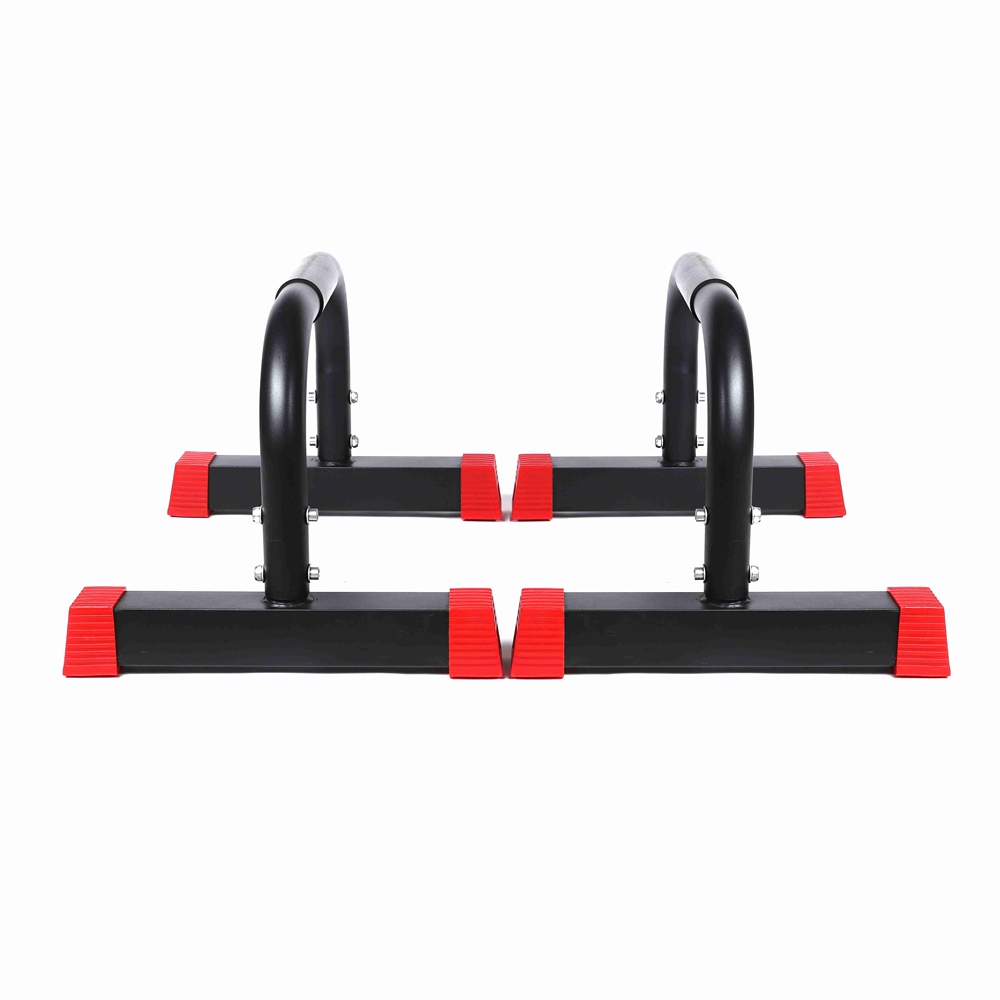
A push-up frame foot-cover enquiry should identify the exact frame, the cover’s position and the interface information the supplier needs to match the part. Pride’s catalogue includes a complete “38mm Square Tube Push-up Set with Red Foot Cover”. That title identifies the listed configuration, not an independently confirmed spare-cover offer. Ask whether the part is separately available and request its own reference and dimensional information. Do not infer a replacement opening or universal fit from the 38mm wording.
Begin with the complete frame identity
Use the square-tube push-up set with red foot cover as a specific reference rather than sending a cropped red detail without context. Retain the full product name, product URL and a complete frame photograph. Add the supplier’s model or version reference when it is provided so that a visually similar frame does not silently replace the intended item.
Keep the H-shaped and pin-type frames on separate reference lines. The catalogue shows different base constructions and end-cover appearances, but a purchasing team cannot determine interchangeability from those photographs. Ask the supplier which frame version the proposed cover belongs to, and leave any unanswered relationship unresolved.
• Complete frame reference and version.
• Exact cover position and requested replacement scope.
• Supplier’s separate part reference, if one is offered.
Mark the position before counting spare parts
Provide a simple position map of the actual frame being discussed. Label each requested location in a consistent way, for example with letters tied to annotated photographs. The letters are enquiry references rather than assumed factory part numbers. The supplier should confirm whether those locations use one common part or different parts.
Separate the number of requested replacement covers from the number of frames. A catalogue view may show two complete frames, while the buyer needs covers for only one specific position. Record the required locations and the requested quantity, then ask the supplier to state the contents of its proposed spare-part line. Do not count hidden parts or infer a normal spare quantity.
Ask for the opening and the retained boundary
The 38mm wording belongs to the original product title. It should not be re-labelled as an internal opening, wall thickness or insertion depth without clarification. Ask the supplier to identify which part or dimension that wording describes and to provide the matching information for the proposed cover itself.
Useful enquiry fields can include the opening shape, the measurement direction, relevant internal and external boundaries and any version distinction identified by the supplier. These are requests for information, not asserted dimensions. Keep tube measurements, cover measurements and any supplier-stated fit relationship in separate columns so that a missing answer remains visible.
Part-record field
Evidence to request
What the catalogue does not confirm
Frame association
Exact frame/version and location map
Universal interchangeability
Cover opening
Marked view and defined measurement endpoints
An opening inferred from 38mm in a title
Material declaration
Supplier’s part-specific description
Material grade or properties from colour
Separate supply
Part code, contents and quantity basis
Spare availability from an assembled photo
Request views that answer the missing question
A whole-frame front view can establish the product reference, but it may not show the opening or the back of a cover. Ask for additional part views that directly answer the unresolved identification question. Keep the complete-frame photograph beside those details so that the reader can trace each loose part back to its intended location.
Do not treat a closer crop of the same front image as a newly observed internal view. Record what is visible and what remains unobserved. If the supplier cannot provide the requested view, retain that gap instead of completing the record with an illustration that appears technically convincing but is unrelated to the actual offered part.
Separate colour approval from fit and properties
The red and dark cover appearances in the catalogue can be used to identify the requested visual reference. They do not establish a material type, resistance to wear, floor protection, grip or another operating property. Ask for a supplier declaration if a specific material description is needed, and keep the exact component scope beside that answer.
If appearance matters, request a labelled reference of the proposed cover under an agreed viewing setup. Record colour and visible surface observations separately from dimensional and fit questions. Acceptance of a visible colour should not be expanded into acceptance of an unexamined opening, a substitute material or an undocumented performance statement.
Keep the sample response tied to the part request
When a supplier offers a sample, identify the exact part and version that it is intended to represent. Record received quantity, labelled position references and the documentation supplied. A sample response may answer an identification question while leaving other fields open. It does not by itself establish the availability or consistency of a future bulk supply.
Where suitability for a particular frame needs evaluation, the responsible parties should define the relevant method and evidence. This guide does not instruct the buyer to fit, modify or use equipment, and it does not establish a safe operating result. Preserve the supplier’s model-specific information and any unresolved questions for the appropriate reviewer.
Confirm a distinct spare-part quotation line
Ask whether the supplier is offering a separately supplied replacement part, a complete frame or another configuration. If a spare is offered, request its part reference and the quantity basis of the proposed commercial line. Keep unconfirmed pricing, minimum order, timing and packing fields unanswered rather than copying them from an unrelated equipment listing.
Send the position map, actual frame reference and open part questions through Pride contact. Use the Pride product blog for related purchasing topics, while retaining this request as a separate component record. A clear supplier response should identify the offered part and its scope; it should not depend on the buyer guessing from colour or a product-family name.
Frequently asked questions
Does the red-cover frame page prove separate cover availability?
No. It lists a complete configuration. Ask the supplier whether a separate replacement is offered and request its own part reference and commercial scope.
Is 38mm automatically the cover’s internal opening?
No. Preserve the title wording and ask which dimension it describes. The cover opening needs its own definition and evidence.
Can similar dark covers be substituted across the listed frames?
The photographs do not establish interchangeability. Obtain the exact frame-version relationship and the proposed part’s information from the supplier.
Does colour approval establish material or grip performance?
No. Keep visible appearance, material declarations, dimensions and any required performance evidence in separate fields.
Product and contact references
https://prdsports.com/product/38mm-square-tube-push-up-set-with-red-foot-cover/
https://prdsports.com/contact/
https://prdsports.com/blog/